can i transport a body in texas

Transporting a body in Texas involves a range of legal considerations and regulations that must be adhered to in order to ensure compliance with state laws. Whether you are a family member wishing to move a deceased loved one or a professional in the funeral industry, understanding the procedures and obtaining the necessary documentation is crucial. This article provides an overview of the key steps and requirements involved in the transport of a body in the state of Texas.

Understanding State Regulations

The state of Texas has specific regulations governing the transportation of human remains. These guidelines are designed to ensure that the process is conducted with dignity, respect, and safety. The Texas Health and Safety Code provides the legal framework that outlines these requirements.

Obtaining a Permit

One of the first steps in the process is obtaining a permit for the transport of the body. This permit is often referred to as a “Disposition Permit” and is issued by the local registrar. It is a legal requirement that must be fulfilled before any transportation can occur. This document ensures that the death has been legally registered and that all necessary documentation is in order.

Role of the Coroner

In some cases, the involvement of a coroner may be required, particularly if the death was unexpected or if foul play is suspected. The coroner will perform an examination and provide clearance for the transport of the body. This step is crucial to ensure the legality of the process and to prevent any potential legal issues.

Legal Compliance and Documentation

Ensuring compliance with state law is a critical aspect of transporting a body. This includes obtaining all necessary legal documentation, such as the death certificate, transportation permit, and any other relevant paperwork. Failure to comply with these guidelines can result in legal repercussions.

Using a Mortuary Service

While it is possible for family members to transport a body themselves, using a professional mortuary service is often recommended. These services are experienced in handling the intricacies of body transportation and can provide the necessary documentation and compliance with state regulations.

Benefits of Professional Services

  • Expertise in handling legal requirements and regulations.
  • Access to specialized vehicles designed for the safe transport of human remains.
  • Assistance with obtaining necessary permits and paperwork.
  • Peace of mind knowing that the process is handled professionally and respectfully.

Transporting to a Cemetery

Once all legal requirements have been met, the transport of the body to a cemetery can proceed. It is important to coordinate with the chosen cemetery to ensure that all necessary arrangements are in place for the burial or memorial service.

Vehicle Requirements

The vehicle used for transporting the body must comply with state regulations. Generally, a hearse or a specialized mortuary vehicle is used, as these are designed to safely and respectfully transport human remains.

Transporting a body in Texas involves careful adherence to legal and procedural requirements. By understanding the necessary steps and ensuring compliance with state regulations, individuals can facilitate a smooth and respectful process for honoring their loved ones. Whether choosing to handle the transport personally or relying on a professional mortuary service, the key is to ensure that all guidelines are followed and that the necessary documentation is in order.

can a jail transport officer carry a firearm in texas

The question of whether a jail transport officer can carry a firearm in Texas is an important one‚ especially considering the roles and responsibilities of law enforcement personnel. In Texas‚ law enforcement officers‚ including those tasked with the transportation of inmates‚ must adhere to specific regulations and legal requirements concerning the carrying of firearms. This article will delve into the pertinent laws‚ regulations‚ and policies surrounding this issue‚ while also discussing the necessary training‚ permits‚ and compliance required.

Understanding the Role of a Jail Transport Officer

Jail transport officers hold a critical position within the law enforcement framework. Their primary responsibility is to ensure the safe and secure transportation of inmates between facilities‚ court appointments‚ and other necessary locations. Given the nature of their duties‚ these officers often face unique security challenges that necessitate specific measures to ensure the safety of the inmates‚ the officers themselves‚ and the public.

Firearm Regulations for Law Enforcement in Texas

Texas law provides comprehensive guidelines on firearm possession and usage by law enforcement officers. According to Texas Penal Code and other related statutes‚ individuals who serve as peace officers are typically authorized to carry firearms as part of their official duties. This includes jail transport officers who are often considered peace officers under Texas law.

Concealed Carry and Licensing

For a jail transport officer to legally carry a firearm‚ they must comply with state laws regarding concealed carry and licensing. Texas law allows for concealed carry by law enforcement officers without the need for a separate permit‚ provided they are acting within the scope of their official duties. This exemption underscores the trust and authority vested in law enforcement personnel by the state.

Training and Compliance Requirements

The authority to carry a firearm comes with the responsibility to undergo rigorous training and to adhere to compliance standards set forth by state laws and department policies. Jail transport officers must complete specific training programs that cover weapon handling‚ safety protocols‚ and situational awareness to ensure they can effectively manage the challenges of their role.

Correctional Officer Training

As part of their training‚ jail transport officers receive instruction not only on firearm use but also on defensive tactics and de-escalation techniques. This comprehensive training is designed to prepare officers for a range of scenarios‚ emphasizing the importance of using firearms as a last resort and focusing on non-lethal methods whenever possible.

Legal Authority and Security Measures

The legal authority for jail transport officers to carry firearms is grounded in their designation as peace officers under Texas law. This classification grants them the same privileges and responsibilities as other law enforcement officers‚ including the right to carry weapons during the performance of their duties.

Security measures are paramount in the transportation of inmates. Officers must adhere to strict policies and procedures to ensure the safety of all parties involved. This includes maintaining control over firearms at all times‚ following chain-of-custody protocols‚ and ensuring compliance with all legal requirements.

Policy and Permit Considerations

While state law provides the overarching legal framework‚ individual law enforcement agencies may have additional policies that govern the carrying of firearms by jail transport officers. These policies may include additional permit requirements‚ restrictions on the types of weapons that can be carried‚ and specific guidelines for weapon storage and transport.

Compliance with both state laws and departmental policies is critical for ensuring the legal and safe operation of jail transport officers. Officers must remain up-to-date with any changes in laws or regulations and ensure they meet all permit and licensing requirements.

Ultimately‚ the ability of jail transport officers to carry firearms is a reflection of their critical role in maintaining law and order‚ ensuring the security of the correctional system‚ and protecting the public.

a&g transport ii port arthur texas

In the bustling world of logistics and freight services, A&G Transport II stands as a beacon of excellence in Port Arthur, Texas. This article explores the diverse spectrum of services provided by A&G Transport II, delving into their role in the transportation and shipping industry, their impact on the local economy, and their innovative transport solutions.

Understanding the Logistics Landscape

Logistics is an intricate process that encompasses the planning, execution, and management of the movement of goods. The logistics sector includes various components such as freight, shipping, cargo, and delivery. A&G Transport II excels in integrating these elements to provide efficient and reliable services.

The Role of A&G Transport II in Freight Services

A&G Transport II has established itself as a leading logistics company in Port Arthur, Texas, specializing in freight services. Their comprehensive range of services includes both commercial transport and interstate shipping. With a robust vehicle fleet, they ensure timely and secure transportation of goods across regional and national boundaries.

Port Arthur: A Strategic Hub

Port Arthur is not just a city; it is a strategic hub for logistics operations. Its proximity to major highways and the Gulf of Mexico positions it as a critical node in the supply chain. A&G Transport II leverages this advantage to enhance their distribution capabilities and provide unparalleled haulage services.

Transportation and Delivery Excellence

The core mission of A&G Transport II is to offer seamless transport solutions. This is achieved through meticulous planning and execution in their trucking operations. Their commitment to excellence is evident in their ability to handle diverse cargo types and adapt to the dynamic demands of the logistics industry.

Specialized Carrier Services

As a premier carrier in Port Arthur, A&G Transport II provides specialized services tailored to meet specific client needs. Their expertise in regional transport is particularly noteworthy, ensuring that goods reach their destinations safely and efficiently.

Ensuring Reliable Supply Chain Management

  • Efficiency: A&G Transport II employs advanced logistics technologies to optimize routes and reduce transit times.
  • Reliability: Their commitment to maintaining a well-serviced vehicle fleet ensures minimal disruptions.
  • Flexibility: With the ability to adapt to changing market demands, they provide customized solutions to their clients.

Impact on the Local Economy

The presence of A&G Transport II in Port Arthur significantly contributes to the local economy. By providing employment opportunities and facilitating trade, they play a pivotal role in the economic development of the region.

Employment Opportunities

A&G Transport II is a major employer in the logistics sector, offering a range of job opportunities from drivers to logistics coordinators. Their focus on employee training and development ensures a skilled workforce capable of meeting the demands of the industry.

Facilitating Trade and Commerce

Through their extensive network and efficient operations, A&G Transport II enables businesses in Port Arthur and beyond to access markets with ease. This facilitation of trade and commerce is a cornerstone of their business model.

Innovative Transport Solutions

Innovation is at the heart of A&G Transport II’s operations. They continuously seek to improve their services and adapt to the evolving needs of their clients.

Technology-Driven Logistics

Embracing technology, A&G Transport II utilizes state-of-the-art logistics software to enhance their operational efficiency. This technological integration allows for real-time tracking of shipments and improved communication with clients.

Future Prospects

Looking to the future, A&G Transport II is poised to expand its services and further solidify its position as a leader in the logistics industry. Their commitment to sustainability and innovation will drive their growth in the years to come.

a texas department of transportation txdot message

The Texas Department of Transportation (TxDOT) plays a pivotal role in the state’s transportation landscape, overseeing the extensive network of highways, roads, and other infrastructure. As the agency tasked with ensuring safe and efficient travel across Texas, TxDOT’s mission is to provide safe, efficient, and effective transportation solutions for all Texans.

Transportation Infrastructure in Texas

Texas boasts one of the largest transportation networks in the United States, encompassing thousands of miles of highways and roads. The vastness of the state’s geography necessitates a robust infrastructure system to facilitate mobility, economic growth, and connectivity. TxDOT is responsible for planning, designing, constructing, and maintaining this infrastructure, ensuring that it meets the needs of both urban and rural areas.

Highway and Road Network

The highway and road network in Texas is essential for moving people and goods efficiently. With a focus on safety and mobility, TxDOT prioritizes the construction and maintenance of highways and roads to minimize traffic congestion and improve travel times. The agency continuously evaluates and upgrades the infrastructure to accommodate the increasing number of vehicles on Texas roads.

Traffic Management and Safety

Traffic management and safety are critical components of TxDOT’s mission. The agency implements regulations and guidelines to enhance road safety and reduce traffic accidents. Through strategic planning and the use of advanced technology, TxDOT monitors traffic patterns and deploys measures to alleviate congestion and improve overall safety for the traveling public.

Construction and Maintenance Projects

TxDOT is involved in numerous construction and maintenance projects to enhance the state’s transportation infrastructure. These projects range from expanding existing highways to constructing new roadways and bridges. TxDOT ensures that construction activities are carried out with minimal disruption to the public while maintaining high safety standards;

Funding and Planning

Funding for transportation projects is a critical aspect of TxDOT’s operations. The agency works closely with the government to secure funding for various initiatives. Through careful planning and budgeting, TxDOT ensures that funds are allocated efficiently to address the most pressing transportation needs across Texas.

Public Services and Mobility

In addition to infrastructure projects, TxDOT provides a range of public services to enhance mobility and accessibility for all Texans. These services include public transportation options, travel information, and support for alternative modes of transport. TxDOT is committed to promoting sustainable and efficient transportation solutions that meet the diverse needs of the population.

Government Regulations and Compliance

TxDOT operates within the framework of government regulations and compliance standards. The agency ensures that all transportation projects and operations adhere to federal and state regulations, promoting transparency and accountability in all its endeavors. By working collaboratively with various stakeholders, TxDOT strives to achieve its goals while maintaining public trust.

Future Planning and Mobility Projects

Looking to the future, TxDOT is focused on planning and implementing mobility projects that will address the evolving transportation needs of Texas. With the state’s population expected to continue growing, TxDOT is proactive in its efforts to develop innovative solutions that will enhance connectivity, reduce congestion, and improve overall quality of life.

TxDOT’s commitment to improving transportation infrastructure and services across Texas is unwavering. Through strategic planning, efficient use of resources, and collaboration with government entities and the public, TxDOT is dedicated to creating a transportation system that supports economic growth, enhances safety, and meets the needs of all Texans. As the state continues to evolve, TxDOT remains at the forefront of innovation, ensuring that Texas’ transportation network is prepared for the challenges of the future.

how to transport a king size mattress

Transporting a king size mattress can be a challenging task, especially given its oversized nature. When you’re relocating or moving your mattress to a new home, it’s essential to consider various factors to ensure safe transport. In this article, we will provide comprehensive tips on how to move your king size bed effectively. This includes packing methods, mattress protection techniques, and the necessary equipment such as transport straps and moving blankets.

Understanding the Challenges of Moving a King Size Mattress

A king size mattress measures 76 inches wide by 80 inches long, making it one of the largest mattress sizes available. Its size can pose challenges during transportation, from navigating through tight hallways to fitting it into a moving truck. Here, we’ll outline the crucial steps and preparation needed to ensure your oversized mattress is moved safely and efficiently.

Preparation: Gather the Right Materials

Before you begin the packing and transportation process, it’s crucial to gather all necessary materials. Proper preparation will protect your mattress from damage and ensure a smoother moving experience. Here’s what you will need:

  • Mattress Cover: Invest in a quality mattress cover. This helps keep your mattress clean and protected from dirt and damage during transit.
  • Moving Blankets: These are essential for wrapping up the mattress and preventing scratches or tears while in transport.
  • Transport Straps: Use these to secure the mattress and make it easier to lift and carry.
  • Moving Truck: Ensure you have a suitable vehicle. A standard moving truck with ample space is ideal for transporting a king size bed.
  • Lifting Equipment: If needed, consider renting a dolly or hiring help to manage the load more effortlessly.

Step-by-Step Guide to Packing the Mattress

Once you have gathered your materials, it’s time to prepare your king size mattress for transport. Here’s how to package it securely:

  1. Clean the Mattress

    Before covering your mattress, ensure it’s clean. Vacuum it thoroughly to remove dirt and dust. This step preserves the bed’s condition and ensures it remains hygienic during storage or transport.

  2. Use a Mattress Cover

    Once the mattress is clean, place it inside a mattress cover. This plastic or fabric protector will prevent it from getting dirty or wet during transportation.

  3. Wrap the Mattress with Moving Blankets

    After covering the mattress, wrap it in moving blankets. This provides an extra layer of protection against scratches or tears. Make sure to secure the blankets with tape or straps to prevent them from slipping off during the move.

Utilizing Proper Lifting Techniques

Lifting and transporting a king size mattress can strain your back if not done properly. Here are some safe lifting techniques that you should follow:

  • Bend at Your Knees: Always bend at your knees rather than your waist when lifting heavy objects. This technique distributes weight more evenly and reduces back strain.
  • Use Your Legs: When lifting, engage your leg muscles to help lift the mattress. This will give you more power and reduce the risk of injury.
  • Keep the Load Close: Carry the mattress close to your body to maintain balance and control. This practice also minimizes the strain on your back.
  • Communicate with Your Partner: If you’re moving the mattress with help, coordinate your movements with your partner to avoid stumbling or losing control.

Loading the Mattress into the Moving Truck

Once your mattress is packed securely, it’s time to load it into the moving truck. Follow these tips for a successful loading experience:

  1. Clear a Path

    Ensure the path to the moving truck is clear to facilitate a smooth loading process.

  2. Use a Ramp if Available

    If your moving truck has a ramp, use it to minimize the effort required to load your king size mattress. It makes the task easier and safer.

  3. Stand the Mattress Upright

    When loading, it’s often best to stand the mattress on its side. This method will save space in the truck and make it easier to maneuver in tight areas.

  4. Secure the Mattress

    Once inside, use transport straps to secure the mattress in place. This will prevent it from shifting during transport, reducing the risk of damage to both the mattress and other items in the truck.

Transport Tips for a King Size Mattress

During transport, keep the following tips in mind to ensure the safe transport of your mattress:

  • Drive Carefully: Avoid sharp turns and sudden stops. Drive cautiously to keep the mattress stable in the truck.
  • Avoid Overloading: Make sure not to overload the truck with other items on top of the mattress. This can lead to pressure spots that may damage it.
  • Monitor Temperature: If possible, maintain a stable temperature in the truck. Extreme heat or cold can affect the mattress materials.

Unloading and Setting Up Your Mattress

Upon arriving at your new location, it’s vital to unload and set up your mattress properly. Here’s how to do that:

  1. Clear the Unloading Area

    Just like when loading, ensure the unloading area is clear for a smooth transition from the truck to your home.

  2. Lift with Care

    Use the same lifting techniques as before. Be cautious and aware of your surroundings during the unloading process.

  3. Remove the Packing Materials

    Once the mattress is in place, carefully remove the mattress cover and moving blankets.

  4. Inspect for Damage

    Check the mattress for any signs of damage that may have occurred during transportation. If any issues arise, it can often be easier to solve them right away.

Long-term Storage and Care Tips

If you find yourself in need of mattress storage, employing the right care techniques will prolong the life of your mattress. Here are some tips:

  • Choose the Right Storage Environment: Store your mattress in a cool, dry place. Extreme humidity or temperature changes can cause mold and mildew.
  • Keep it Elevated: Avoid directly placing your mattress on the floor. Use pallets or a raised platform to ensure airflow and protect it from potential water damage.
  • Periodically Check the Mattress: If it is in storage for an extended period, inspect it occasionally. This can help you spot any problems before they become significant issues.

Disposing of Your Mattress Properly

If you decide to replace your king size mattress, you’ll want to do so responsibly. Here are some disposal methods:

  • Donation: If the mattress is in good condition, consider donating it to a charity or local organization.
  • Recycling: Many areas offer recycling programs specifically for mattresses, breaking them down to repurpose the materials.
  • Hauling Services: Hire a hauling service if you need assistance in disposing of your old mattress safely.

Transporting a king size mattress doesn’t have to be a daunting task. With the right preparation, packing materials, and techniques, you can ensure your mattress is moved safely and efficiently. Whether you are relocating or simply needing to store the mattress, these tips and best practices will help you navigate through the process.

By keeping your king size bed protected, using the right lifting techniques, and knowing how to load and transport it securely, you can successfully handle mattress moving with ease. Remember that taking care during transport not only preserves your mattress but also enhances your overall moving experience.

how to transport a kayak without a roof rack

Transporting a kayak can be a daunting task, especially if you don’t have a roof rack or a designated carrier. However, there are numerous kayak transport options available that can make the process easier and more convenient. In this article, we will explore various methods for kayak hauling, discuss the equipment you might need, and provide tips for safe and effective kayak relocation.

Understanding Kayak Transport Options

When it comes to transports kayaks, several alternatives exist that can accommodate your needs without relying on a traditional rooftop setup. Here we highlight popular alternative options:

DIY Kayak Transport Solutions

If you’re handy and enjoy crafting, you might consider DIY kayak transport solutions. Many kayakers have created their own systems using materials that are easy to source.

  • Pool Noodles: Cut pool noodles into sections and attach them to your car’s roof using kayak straps. These provide a cushioning effect for your kayak.
  • Painted PVC Pipes: Build a cradle for your kayak with PVC pipes that you can adjust between the width of your car.

Kayak Cart and Dolly Systems

A kayak cart or kayak dolly can be a lifesaver when it comes to moving your kayak from the parking lot to the water.

  • Single-Wheeled Kayak Dollies: These are designed to support the weight of your kayak while you manually transport it.
  • Two-Wheeled Kayak Carts: These tend to be more stable and allow you to easily carry a kayak over longer distances.

Using Vehicle Kayak Transport Solutions

For direct transportation in a vehicle, you can explore several methods:

Truck Bed Kayak Transport

If you have a truck, transporting your kayak in the truck bed is one of the most efficient methods. Here are the steps to ensure a secure fit:

  • Lay Down Blankets: Protect the truck bed and the kayak by laying down heavy blankets.
  • Position the Kayak: Lay the kayak upside down in the truck bed, ensuring the front is oriented toward the cabin for better aerodynamics;
  • Use Tie Down Kayak Straps: Secure the kayak using ratchet straps or cam buckle straps, anchoring them to the tie-down points in the truck bed.

Car Kayak Transport Without a Roof Rack

If you don’t have a roof rack, you can still secure your kayak on the roof of your car using alternate methods:

  • Pool Noodles on Car Roof: Place pool noodles on the roof of your car. They will protect your kayak and provide a cushion.
  • Soft Rack Systems: These are fabric-based racks that can easily attach to most cars and can support kayaks efficiently.
  • Using Foam Blocks: Foam blocks specially designed for kayak transport can be placed on your roof to provide stability during transit.

Choosing the Right Kayak Transport Equipment

Regardless of the method you choose, certain equipment can enhance your kayak transport experience:

Kayak Straps and Tie-Downs

High-quality kayak straps are essential for securing your kayak to the vehicle. Make sure to use:

  • Cam Buckle Straps: Easy to use and adjust, making them great for quick tie-downs.
  • Ratchet Straps: Offer a firmer hold but require careful handling to avoid overtightening.

Kayak Pads and Protection

Kayak pads are important for protecting both your kayak and vehicle during transport:

  • Foam Pads: Placed underneath the kayak to prevent scratches and damage.
  • Cushioned Straps: For additional protection against pinching or sharp edges when securing.

Kayak Safety Tips During Transportation

Ensuring the safety of your kayak during transport is vital. Here are some crucial kayak safety tips to keep in mind:

  1. Double-Check Everything: Always ensure that your kayak is securely tied down before setting off on your journey.
  2. Use Proper Signals: Install flags or lights if transporting on a long vehicle to alert other drivers.
  3. Monitoring Your Load: Make regular stops to check that your kayak remains secure.

Storing Your Kayak After Transport

Once you have transported your kayak, proper storage is essential. Here are some great ways to store your kayak:

  • On a Wall: Install a wall rack to keep your kayak off the floor and free from damage.
  • On a Stand: Invest in a kayak storage stand that allows you to store it vertically or horizontally.
  • In a Shed or Garage: Store indoors to protect it from weather elements, ensuring it stays in good condition.

In summary, transporting a kayak without a roof rack is entirely feasible with the right equipment and methods in place. Whether you choose car kayak transport methods, utilize a kayak cart, or implement DIY solutions, ensuring a proper fit and secure transport is key to a successful kayaking adventure. Always prioritize safety and consider your kayak’s protection during both transport and storage. Now, get out there and enjoy exploring the waterways!

can you transport a water heater on its side

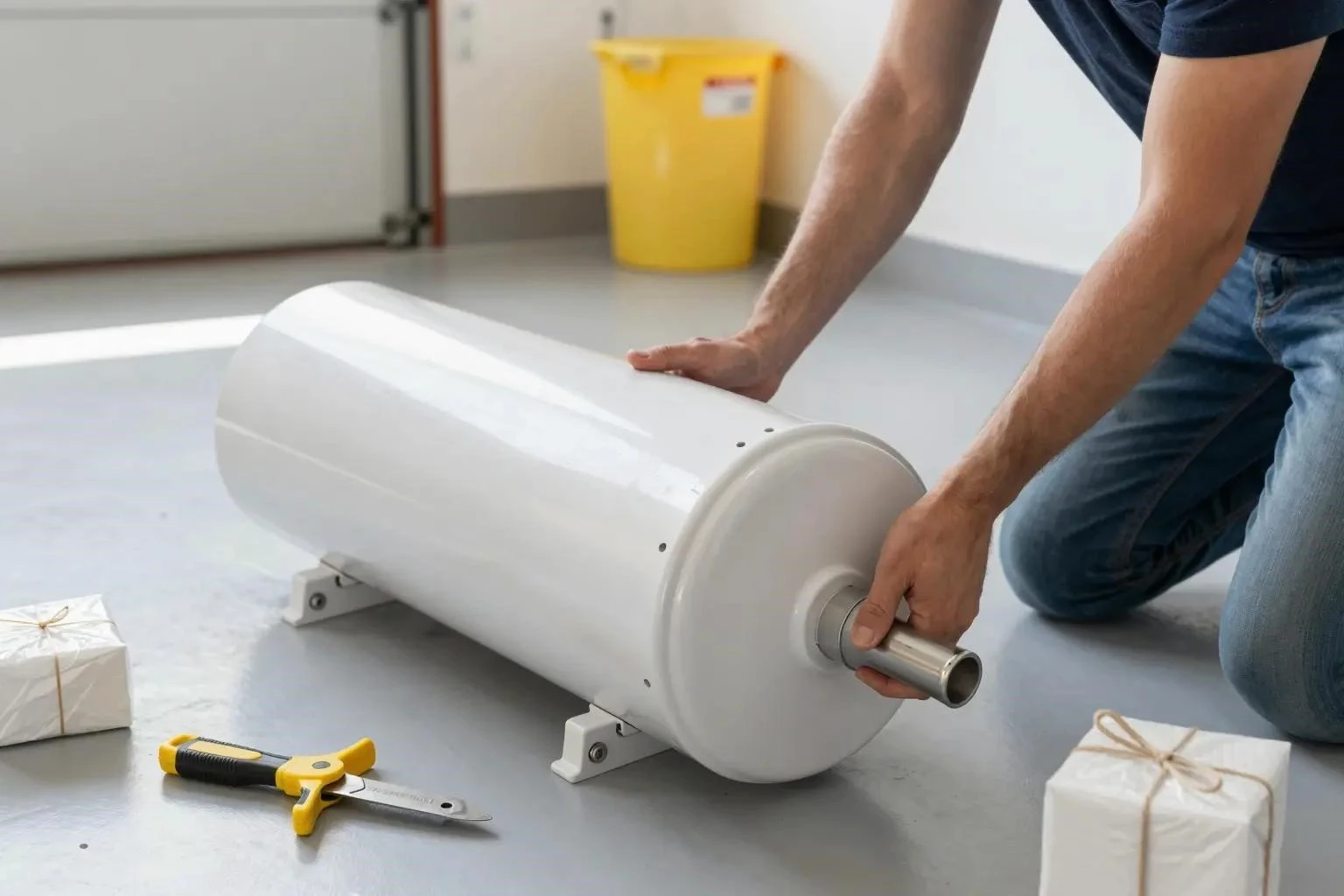
Transporting a water heater is a common task for both homeowners and professionals in the plumbing industry. However, it raises an important question: can you transport a water heater on its side? Understanding the implications of transporting a water heater in this position is critical to ensure maximum safety and prevent possible damage to the unit; In this article, we’ll explore the guidelines, precautions, and best practices for moving a water heater, particularly regarding its orientation during transport.

Understanding Water Heaters

Water heaters come in various types, including tankless, electric, and gas water heaters. The most common type in residential settings is the traditional water tank heater. These heaters typically hold a certain volume of water, which can be quite heavy, especially when filled. This weight necessitates careful handling during transportation to avoid any potential injuries or damage.

Why Orientation Matters

The orientation in which a water heater is transported—whether vertical or horizontal—can significantly affect its stability and integrity.

  • Vertical Orientation: Most manufacturers recommend transporting water heaters in an upright position. This orientation is typically the safest and minimizes the risk of internal components being damaged.
  • Horizontal Orientation: Transporting a water heater on its side can lead to several issues. The internal structure and heating elements may become misaligned, potentially leading to costly repairs or replacements. Additionally, transporting a water heater on its side can void the warranty.

Potential Risks of Transporting on Its Side

While it might seem feasible to transport a water heater on its side, several risks should be considered:

  • Internal Damage: Moving the water heater horizontally can cause damage to the internal components, including the tank lining and heating elements.
  • Weight Distribution: The weight of a full tank is significant. Placing it on its side during transport may cause uneven weight distribution, which can lead to instability while moving and increase the risk of dropping.
  • Leaking: If not secured properly, moving a water heater on its side can result in leaks, which may lead to catastrophic damage during the transportation.
  • Voiding Warranty: Many manufacturers specifically state that transporting the appliance in an improper position can void the warranty. Always check the warranty documentation before transportation.

Guidelines for Safe Transportation

If you must move a water heater, following proper guidelines can help ensure safety and prevent damage:

  1. Lift with Care: When lifting the water heater, use appropriate lifting techniques. Always lift with your legs and ask for help when necessary to avoid injury.
  2. Secure the Heater: Whether transporting it upright or, in rare cases, on its side, ensure that the water heater is securely fastened in your vehicle. Use straps or tie-downs to prevent movement during transport.
  3. Minimal Vertical Movement: If you must lay it down for any reason, try to keep the time spent in this position to a minimum and avoid any jarring movements that could strain the internals.
  4. Use Proper Equipment: A dolly or hand truck can be invaluable for moving a water heater. This equipment will help distribute weight evenly and make lifting and carrying significantly easier.
  5. Consider Shipping Guidelines: If you are shipping the water heater, make sure to follow all guidelines provided by the shipping company. Proper crating and orientation should align with manufacturer recommendations.

Recommendations for Installation

During installation, it’s just as important to adhere to safety practices. Here are some recommendations to follow:

  • Read the Manual: Always refer to the manufacturer’s installation manual for specific recommendations regarding orientation and placement.
  • Check Plumbing Connections: Ensure that all plumbing connections are secure and that the correct fittings are used to avoid leaks.
  • Allow Room for Stability: When installing, provide enough clearance around the appliance for both accessibility and ventilation.
  • Level the Heater: An unlevel installation can lead to uneven wear and tear. Use a level tool to ensure your water heater is set up correctly.

For the best results, always transport your water heater in an upright position, following all safety guidelines and manufacturers’ recommendations. By taking precautions, you help ensure a successful installation and prolong the life of your water heater.

Remember, always prioritize safety. When in doubt, consult with a professional plumber for assistance with moving and installing your water heater.