Moving Doesn’t Have to Be a Headache: A Closer Look at Joyful Moving’s Services

Let’s be honest: moving is rarely fun. Between the endless cardboard boxes, the heavy lifting, and the constant worry about whether your favorite mug will survive the trip, it’s easy to feel overwhelmed. But what if the process actually felt… well, joyful?

That’s the exact promise behind Joyful Moving, a licensed and insured relocation company that has spent the last 12+ years refining how we move. With over 15,000 completed moves across all 50 states and a 4.9-star average rating, they’ve built a solid reputation for taking the friction out of relocation.

Here is a breakdown of what they actually do and why they might be the right fit for your next move.


The Services: More Than Just a Truck and Some Muscle

Joyful Moving doesn’t believe in a one-size-fits-all approach. Whether you’re shifting down the street or across the country, they offer a menu of services designed to fit your specific timeline and budget.

  • Local Moves: Perfect for neighborhood or city relocations. Their teams handle everything from start to finish, bringing heavy-duty moving blankets, appliance dollies, and secure straps to protect your belongings.
  • Long-Distance Moves: Crossing state lines? They offer traditional truck transport, storage container options, or labor-only services depending on what makes the most sense for your budget.
  • Hourly Labor: Already rented a truck or a portable container? You can hire their vetted pros just to load, unload, or even rearrange furniture. It’s also a great, cost-effective option for garage cleanouts or event setups.
  • Last-Minute Moves: Life happens. If you need to relocate tomorrow (or even today), their quick-turnaround teams step in without cutting corners on care.
  • Commercial Moves: Office relocations are handled with a sharp focus on minimizing downtime, getting your team settled and back to work as quickly as possible.
  • Packing and Moving: Want to skip the cardboard chaos entirely? Book their full-service packing option. The crew arrives on your schedule with reinforced boxes, wardrobe boxes, and systematic labeling to make unboxing a breeze.

What Actually Makes Them Different?

The moving industry is notorious for hidden fees, vague timelines, and showing up with a crew you’ve never met. Joyful Moving has actively worked to dismantle those frustrations through a few smart, modern touches:

  1. QR Code Time Tracking: This is a massive relief for anyone who’s been burned by vague billing in the past. The crew scans a unique QR code when they start working on-site and scans out the moment the job is done. You pay only for the exact minutes worked. No rounded-up hours, no hidden fees.
  2. Meet Your Team First: There’s something to be said for knowing who is going to be handling your belongings. Through their online dashboard, you get photos and bios of your movers before they even pull into your driveway.
  3. Fully Digital Booking: You don’t need to take time off work to wait around for an in-home estimate. The entire process—from getting an instant quote to managing your reservation—happens online.
  4. Thoughtful Protection for Valuables: If you own items worth more than $100 per pound, like fine art or high-end electronics, they provide a digital High-Value Inventory Checklist. This flags your most prized possessions so the crew knows to apply extra padding and priority placement in the truck.

How It Works (In Three Simple Steps)

They’ve stripped away the usual red tape to make the process as straightforward as possible:

  1. Book in Under 15 Minutes: Fill out your needs online or give them a call. They’ll instantly match you with the right team for your job.
  2. Get Guidance and Crew Details: Leading up to move day, you’ll receive practical tips, updates, and those all-important introductions to your moving crew.
  3. Relax and Scan to Start: Your lead pro will notify you when they’re en route. The clock starts when they scan your QR code, and stops the second the job is done.

Final Thoughts

Finding a moving company that balances affordability, transparency, and genuine care can feel like searching for a needle in a haystack. Joyful Moving stands out by treating your relocation not as a logistical chore, but as a structured, customer-first experience.

If you’re tired of the guesswork and ready for a move that actually lives up to its name, it’s worth checking out their services. You can get a free, no-obligation quote or explore their full range of options directly at joyfulmoving.com
How good is transportation in houston texas

Houston, Texas, is a sprawling metropolis known for its diverse culture, economic prowess, and extensive transportation network. With a population exceeding 2 million, the city’s transportation infrastructure faces significant challenges, particularly in managing traffic congestion and supporting a diverse range of transportation options. This article explores the current state of public transit, the role of the METRO system, and the various modalities that shape Houston’s urban mobility.

The Role of METRO in Public Transit

The Metropolitan Transit Authority of Harris County, commonly referred to as METRO, is the backbone of Houston’s public transit system. METRO operates a combination of bus routes, light rail, and rideshare services, designed to alleviate traffic congestion and provide accessible transportation options to residents and visitors alike.

Bus Routes

METRO’s extensive network of bus routes is vital for connecting various neighborhoods and suburban areas to the city’s core. The bus system is designed to provide frequent, reliable service, with routes strategically planned to serve high-demand areas and enhance city mobility. This extensive network helps reduce car dependency by offering a viable alternative for commuters.

Light Rail

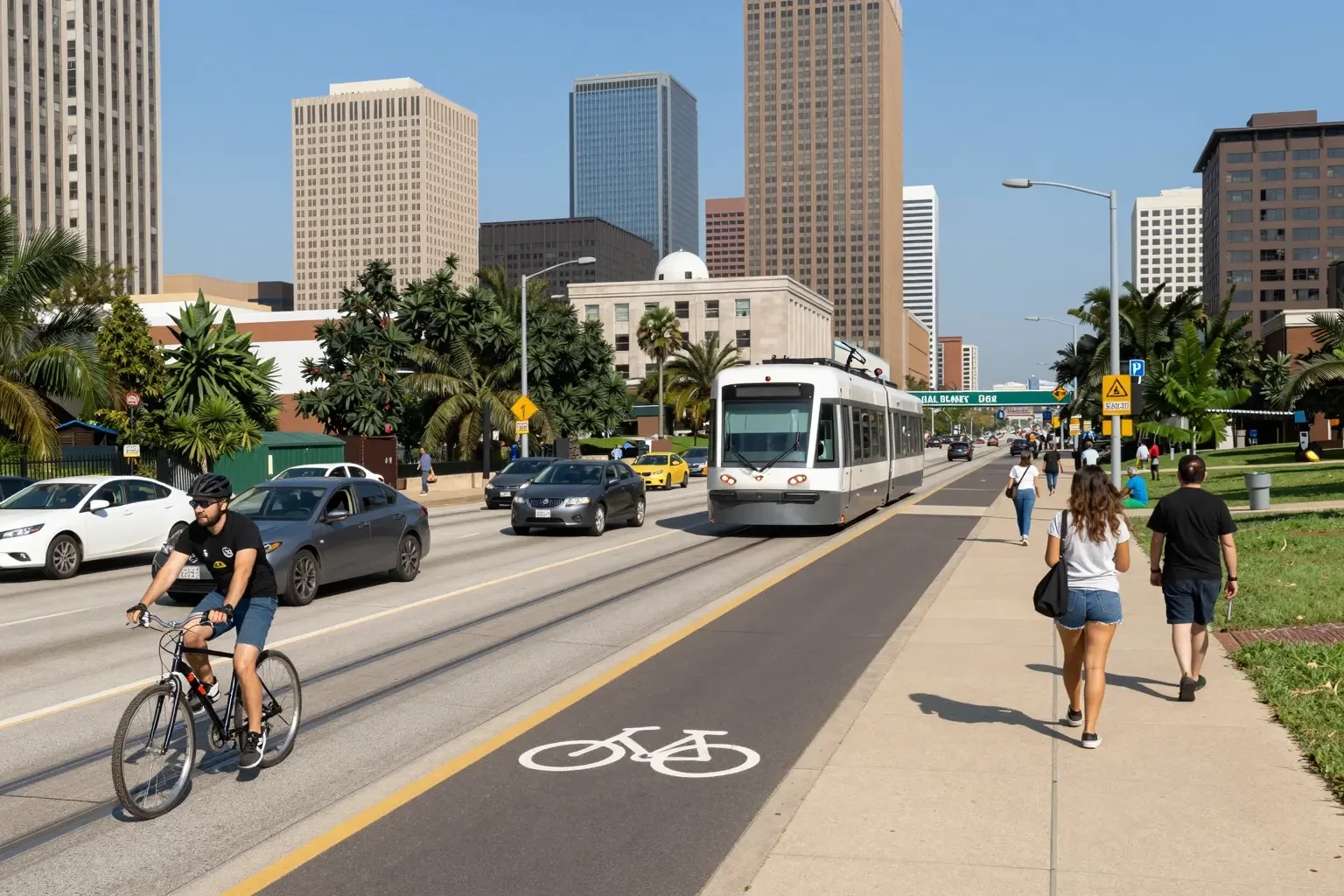
Houston’s light rail system, known as METRORail, currently consists of three lines that connect major activity centers, including downtown, the Texas Medical Center, and NRG Park. The light rail provides an efficient and environmentally friendly alternative to driving, helping to ease highway congestion and improve overall road conditions.

Overcoming Car Dependency

Houston’s urban planning has historically favored car dependency, resulting in sprawling suburban areas and extensive highways that dominate the city’s landscape. However, there is a growing recognition of the need to diversify transportation options and improve accessibility for pedestrians and cyclists.

Cycling Paths and Pedestrian-Friendly Initiatives

In recent years, Houston has made strides in enhancing its cycling infrastructure. The city has invested in expanding cycling paths and creating pedestrian-friendly zones to encourage non-motorized forms of transportation. These efforts not only promote healthier lifestyles but also contribute to reducing traffic congestion and improving air quality.

Suburban Connectivity

Connecting suburban areas to the city center is a critical aspect of improving Houston’s transportation network. METRO’s park and ride lots serve as key hubs for commuters from suburban areas, offering convenient access to public transit and reducing the need for long-distance driving.

Accessibility and City Mobility

Accessibility remains a crucial concern for Houston’s transportation planners. Ensuring that public transit is accessible to all residents, including those with disabilities, is essential for fostering an inclusive transportation network. METRO has implemented measures such as wheelchair-accessible vehicles and audio-visual aids to improve accessibility across its services.

Rideshare and Emerging Technologies

The rise of rideshare services like Uber and Lyft has introduced new dynamics to Houston’s transportation landscape. These services offer flexible and convenient transportation options, supplementing traditional public transit and catering to diverse commuter needs. Additionally, emerging technologies such as electric scooters and bike-sharing programs are contributing to a more dynamic and adaptable transportation ecosystem.

Challenges and Future Directions

Despite these advancements, Houston faces several challenges in its quest to provide efficient and sustainable transportation options. The city’s rapid growth and sprawling development patterns pose significant obstacles in terms of infrastructure development and urban planning.

Infrastructure and Road Conditions

Maintaining and upgrading road conditions is a perennial challenge for Houston’s transportation authorities. The city’s expansive highway network requires continuous investment to accommodate increasing traffic volumes and ensure safe and efficient commutes. Urban planners must balance the need for road maintenance with investments in public transit and other sustainable transportation solutions.

Urban Planning and Sustainability

Looking to the future, Houston’s urban planning efforts must prioritize sustainability and resilience. This includes integrating green spaces, enhancing public transit, and fostering mixed-use developments that reduce the need for long commutes. By prioritizing sustainable urban planning, Houston can mitigate the impacts of car dependency and promote a more balanced transportation network.

Transportation in Houston, Texas, is a complex and multifaceted issue, shaped by historical development patterns, demographic trends, and evolving commuter needs. While significant progress has been made in expanding public transit options and promoting alternative transportation modes, challenges remain in addressing traffic congestion, enhancing accessibility, and reducing car dependency.

By continuing to invest in a diverse array of transportation options, including METRO services, rideshare, cycling paths, and pedestrian-friendly initiatives, Houston can build a more sustainable and accessible transportation network. The city’s commitment to improving infrastructure and adopting forward-thinking urban planning strategies will be crucial in shaping the future of transportation and ensuring mobility for all residents.

Ultimately, the effectiveness of Houston’s transportation system will depend on the collective efforts of city officials, urban planners, and the community to embrace innovative solutions and create a more connected and resilient city.

How do I registered my texas pickup for transporting rvs

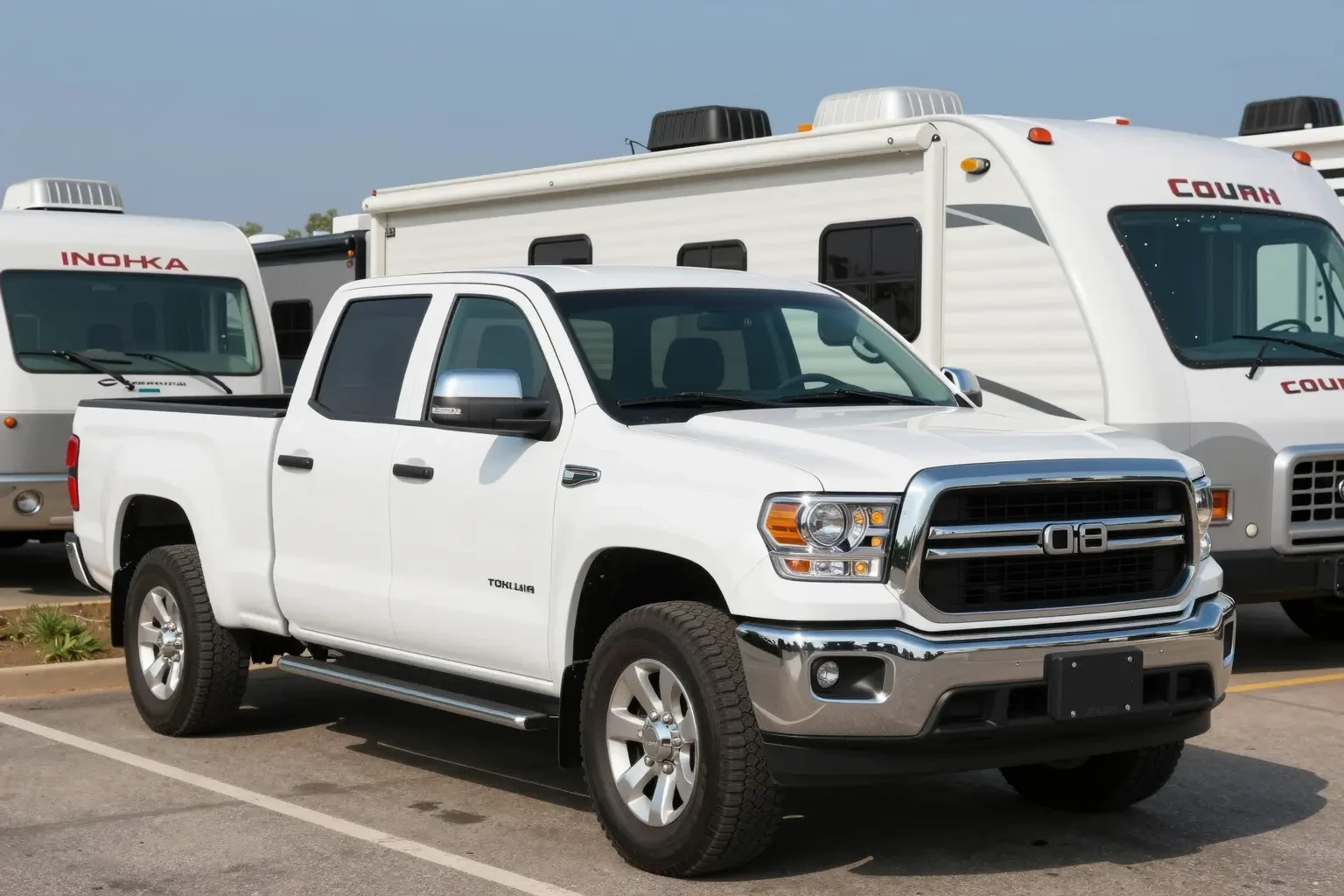
Starting an RV transport business in Texas involves several steps, including understanding the transportation regulations and completing the necessary vehicle registration. This article will guide you through the process of registering your Texas pickup truck for use in an RV transport business, covering essential aspects such as registration, insurance requirements, and compliance with state and federal laws.

Understanding Texas Transportation Regulations

The Texas Department of Motor Vehicles (TxDMV) oversees vehicle registration and transportation regulations. For your RV transport business, it’s important to comply with both state and federal regulations, including obtaining a DOT number, if necessary, for your commercial vehicle. This number is crucial for any motor carrier involved in interstate commerce.

Vehicle Registration Process

To register your pickup truck for transporting RVs, you must follow the vehicle registration process outlined by the TxDMV. This includes several important steps:

  1. Title Transfer: If you’ve purchased a used pickup, ensure the title is transferred to your name. This step is necessary for registration.
  2. Vehicle Identification Number (VIN) Verification: Ensure that your vehicle’s VIN matches the one on the title and registration documents.
  3. Safety Inspections: Your pickup must pass a safety inspection to ensure it meets all safety standards. This is a requirement for both registration and insurance.

License Plates and Registration Fees

Once your vehicle passes inspection, you can apply for license plates. The type of license plate and the registration fees depend on your vehicle’s weight classification and intended use. For commercial vehicles, fees may vary based on the weight of the load being transported.

Insurance Requirements

Obtaining the correct insurance is critical. You’ll need commercial auto insurance that covers the transport of RVs, which may differ from standard personal vehicle insurance. This insurance ensures coverage for potential liabilities arising from commercial activities.

Compliance and Licensing

Compliance with state and federal transportation laws is essential for operating legally. This includes obtaining the necessary licensing, such as a commercial driver’s license (CDL), if required based on the weight and type of RVs being transported.

Fleet Management and Documentation

Effective fleet management involves maintaining accurate documentation for each vehicle in your fleet. This includes keeping records of all registrations, inspections, insurance policies, and compliance documentation.

Temporary Permits

If you need to transport RVs before completing the full registration process, you may apply for temporary permits. These permits allow limited operation of the vehicle under specific conditions, providing flexibility while you finalize your registration.

Additional Considerations

When starting your RV transport business, consider these additional factors:

  • DOT Number: If you plan to operate interstate, obtaining a DOT number is mandatory. This number registers your business with the Federal Motor Carrier Safety Administration (FMCSA).
  • Weight Classification: Ensure that your vehicle’s weight classification matches the loads you intend to carry. This affects both the registration process and compliance with transportation regulations.

By following these steps and understanding the requirements set by the Texas Department of Motor Vehicles, you can successfully register your pickup for transporting RVs. Adhering to all insurance, safety, and compliance regulations will ensure smooth operation and help avoid legal issues.

Remember, thorough preparation and understanding of these processes not only help in establishing a compliant transport business but also contribute to its long-term success.

Es la valley transportation texas

The Rio Grande Valley, an area of rapid development and growth, has become a focal point for Texas’ transportation and infrastructure planning. Located in the southernmost tip of Texas, this region is characterized by its unique blend of urban and rural landscapes, diverse communities, and increasing demand for efficient mobility solutions. As the Valley continues to evolve, so too must its transportation networks to support economic growth, enhance connectivity, and improve overall accessibility for its residents.

Infrastructure and Urban Planning

To accommodate the burgeoning population and economic activities in the Rio Grande Valley, significant investments in infrastructure and urban planning are essential. The region’s infrastructure must address current challenges while laying the groundwork for future growth. This includes expanding roadways, developing efficient public transit systems, and enhancing regional connectivity through innovative urban planning strategies.

Highways and Roadways

The highways and roadways in the Valley are critical to its transportation network. Major highways, such as U.S. Highway 83 and Interstate 2, serve as vital arteries, facilitating the movement of goods and people. However, traffic congestion is a growing concern, particularly as the region’s population continues to rise. Investments in roadway expansions and the development of new corridors are necessary to alleviate congestion and enhance travel efficiency.

Public Transit and Mobility

Public transit plays a crucial role in ensuring mobility and accessibility within the Rio Grande Valley. Developing robust transit systems that cater to the diverse needs of the population is vital. Efforts to innovate public transit solutions, such as integrating bus rapid transit lines and improving existing services, can enhance regional connectivity and reduce reliance on personal vehicles. This not only aids in reducing traffic but also supports environmental sustainability.

Regional Connectivity and Logistics

The strategic location of the Rio Grande Valley makes it an important hub for logistics and transportation in Texas. Enhancing regional connectivity is essential for facilitating trade and supporting the local economy. This requires coordinated efforts in urban planning and the development of transportation infrastructure that can efficiently handle the flow of goods and services across the region.

Commuting and Accessibility

Commuting patterns in the Valley are influenced by both urban and rural dynamics. Ensuring accessibility to employment centers, educational institutions, and healthcare facilities is vital for the region’s development. Investments in public transit options and the creation of commuter-friendly environments can significantly improve accessibility and enhance the quality of life for residents.

Innovation in Transit Systems

Innovation in transit systems is key to addressing the unique challenges faced by the Rio Grande Valley. Embracing technologies such as smart traffic management systems, real-time transit data, and electric vehicle infrastructure can lead to more efficient and sustainable transportation solutions. These innovations not only improve the user experience but also contribute to the region’s economic and environmental goals.

Economic Development and Travel

Transportation infrastructure is a cornerstone of economic development in the Rio Grande Valley. Improved mobility and connectivity can attract businesses, foster tourism, and promote regional competitiveness. As such, a well-planned transportation network is integral to supporting the Valley’s economic aspirations.

Supporting the Local Economy

The development of transportation infrastructure directly impacts the local economy by creating jobs, attracting investments, and facilitating trade. By improving logistics and accessibility, the Valley can enhance its appeal to potential investors and businesses, thus driving economic growth and prosperity.

Enhancing Travel and Tourism

The Rio Grande Valley’s vibrant culture, natural attractions, and unique location make it a desirable destination for tourists. Enhancing travel infrastructure, such as improving airports and transit services, can boost tourism and contribute to the region’s economic vitality. By providing seamless travel experiences, the Valley can capitalize on its tourism potential.

Challenges and Opportunities

While the Rio Grande Valley faces numerous challenges in its quest for improved transportation systems, these challenges also present opportunities for growth and innovation. Addressing issues such as traffic congestion, limited public transit options, and infrastructure funding requires a coordinated approach involving government agencies, private sector stakeholders, and the community at large;

Traffic and Infrastructure Development

Managing traffic and implementing infrastructure development projects are ongoing challenges. However, these challenges provide opportunities for innovation and collaboration. By leveraging technology and adopting best practices in urban planning, the Valley can develop solutions that address current needs while anticipating future demands.

Regional Collaboration and Strategic Planning

Effective transportation planning requires regional collaboration and strategic vision. By fostering partnerships among local governments, regional agencies, and community organizations, the Rio Grande Valley can develop comprehensive strategies that promote sustainable growth and enhance mobility for all residents.

The future of transportation in the Rio Grande Valley is both promising and challenging. As the region continues to grow, the need for efficient, sustainable, and accessible transportation solutions becomes increasingly critical. Through thoughtful urban planning, strategic investments in infrastructure, and embracing innovative transit systems, the Valley can achieve its goals of enhanced mobility, economic prosperity, and improved quality of life.

As Texas looks to the future, the Rio Grande Valley stands as a testament to the power of connectivity and innovation in transforming transportation landscapes for the betterment of its communities and the state at large.

Does the texas department of transportation hire sex offenders

The Texas Department of Transportation (TxDOT) is a vital state agency responsible for overseeing the construction and maintenance of the state’s vast transportation network. As part of its operations‚ TxDOT must navigate complex hiring policies that balance employment eligibility with public safety and workplace safety. A key question that arises in this context is whether TxDOT hires individuals with a history as sex offenders.

Background Checks and Employment Eligibility

As a state agency‚ TxDOT adheres to stringent standards for background checks as part of its job application process. These checks are designed to assess an applicant’s criminal records and ensure they meet the agency’s job qualifications and hiring criteria. The goal is to ensure that all employees contribute positively to the organization while maintaining a safe environment for colleagues and the public.

Legal Requirements and Employment Law

In the United States‚ employment law and state regulations affect how employers can consider criminal history during hiring. The hiring policies must comply with federal and state legal requirements to avoid employment discrimination. While these laws aim to promote workforce inclusion‚ they also prioritize public safety and the integrity of the agency’s operations.

State Regulations and Hiring Policies

According to Texas employment policies‚ state agencies such as TxDOT must evaluate whether a candidate’s criminal history directly relates to the job’s duties. Thus‚ the criminal justice system’s role in offender reintegration becomes relevant. Offender employment rights ensure that individuals who have served their sentences are not unjustly barred from employment opportunities‚ provided they meet the job qualifications and do not pose a risk to the workplace.

Rehabilitation and Offender Reintegration

The concept of rehabilitation is central to discussions about hiring individuals with past criminal convictions‚ including sex offenses. Successful offender reintegration into the workforce is an essential aspect of reducing recidivism and enhancing community safety. However‚ when it comes to hiring sex offenders‚ additional considerations may apply given the nature of the offenses and the potential risk to workplace safety and public safety.

TxDOT’s Specific Policies

While TxDOT does not publicly disclose specific procedures regarding the hiring of sex offenders‚ it is likely that the agency evaluates each application on a case-by-case basis‚ considering the severity of the offense‚ the time elapsed since the conviction‚ evidence of rehabilitation‚ and how these factors relate to the specific job’s responsibilities. This approach aligns with efforts to balance workforce inclusion with ensuring a safe environment for all stakeholders.

Challenges and Considerations

Hiring individuals with criminal records‚ especially those convicted of sex offenses‚ presents unique challenges. Human resources departments must navigate these challenges while ensuring compliance with state regulations and maintaining the agency’s mission and values. The potential for employment discrimination claims necessitates clear and fair hiring criteria that are consistently applied.

The question of whether TxDOT hires sex offenders involves a complex interplay of legal requirements‚ employment law‚ and public safety. While the agency must ensure its workforce is qualified and safe‚ it also has a role in supporting offender reintegration and recognizing offender employment rights. Ultimately‚ TxDOT’s approach to hiring sex offenders reflects broader societal efforts to balance workforce inclusion with the need to protect the public and the workplace.