
how to transport a kayak without a roof rack

Transporting a kayak can be a daunting task, especially if you don’t have a roof rack or a designated carrier. However, there are numerous kayak transport options available that can make the process easier and more convenient. In this article, we will explore various methods for kayak hauling, discuss the equipment you might need, and provide tips for safe and effective kayak relocation.

Understanding Kayak Transport Options

When it comes to transports kayaks, several alternatives exist that can accommodate your needs without relying on a traditional rooftop setup. Here we highlight popular alternative options:

DIY Kayak Transport Solutions

If you’re handy and enjoy crafting, you might consider DIY kayak transport solutions. Many kayakers have created their own systems using materials that are easy to source.

  • Pool Noodles: Cut pool noodles into sections and attach them to your car’s roof using kayak straps. These provide a cushioning effect for your kayak.
  • Painted PVC Pipes: Build a cradle for your kayak with PVC pipes that you can adjust between the width of your car.

Kayak Cart and Dolly Systems

A kayak cart or kayak dolly can be a lifesaver when it comes to moving your kayak from the parking lot to the water.

  • Single-Wheeled Kayak Dollies: These are designed to support the weight of your kayak while you manually transport it.
  • Two-Wheeled Kayak Carts: These tend to be more stable and allow you to easily carry a kayak over longer distances.

Using Vehicle Kayak Transport Solutions

For direct transportation in a vehicle, you can explore several methods:

Truck Bed Kayak Transport

If you have a truck, transporting your kayak in the truck bed is one of the most efficient methods. Here are the steps to ensure a secure fit:

  • Lay Down Blankets: Protect the truck bed and the kayak by laying down heavy blankets.
  • Position the Kayak: Lay the kayak upside down in the truck bed, ensuring the front is oriented toward the cabin for better aerodynamics;
  • Use Tie Down Kayak Straps: Secure the kayak using ratchet straps or cam buckle straps, anchoring them to the tie-down points in the truck bed.

Car Kayak Transport Without a Roof Rack

If you don’t have a roof rack, you can still secure your kayak on the roof of your car using alternate methods:

  • Pool Noodles on Car Roof: Place pool noodles on the roof of your car. They will protect your kayak and provide a cushion.
  • Soft Rack Systems: These are fabric-based racks that can easily attach to most cars and can support kayaks efficiently.
  • Using Foam Blocks: Foam blocks specially designed for kayak transport can be placed on your roof to provide stability during transit.

Choosing the Right Kayak Transport Equipment

Regardless of the method you choose, certain equipment can enhance your kayak transport experience:

Kayak Straps and Tie-Downs

High-quality kayak straps are essential for securing your kayak to the vehicle. Make sure to use:

  • Cam Buckle Straps: Easy to use and adjust, making them great for quick tie-downs.
  • Ratchet Straps: Offer a firmer hold but require careful handling to avoid overtightening.

Kayak Pads and Protection

Kayak pads are important for protecting both your kayak and vehicle during transport:

  • Foam Pads: Placed underneath the kayak to prevent scratches and damage.
  • Cushioned Straps: For additional protection against pinching or sharp edges when securing.

Kayak Safety Tips During Transportation

Ensuring the safety of your kayak during transport is vital. Here are some crucial kayak safety tips to keep in mind:

  1. Double-Check Everything: Always ensure that your kayak is securely tied down before setting off on your journey.
  2. Use Proper Signals: Install flags or lights if transporting on a long vehicle to alert other drivers.
  3. Monitoring Your Load: Make regular stops to check that your kayak remains secure.

Storing Your Kayak After Transport

Once you have transported your kayak, proper storage is essential. Here are some great ways to store your kayak:

  • On a Wall: Install a wall rack to keep your kayak off the floor and free from damage.
  • On a Stand: Invest in a kayak storage stand that allows you to store it vertically or horizontally.
  • In a Shed or Garage: Store indoors to protect it from weather elements, ensuring it stays in good condition.

In summary, transporting a kayak without a roof rack is entirely feasible with the right equipment and methods in place. Whether you choose car kayak transport methods, utilize a kayak cart, or implement DIY solutions, ensuring a proper fit and secure transport is key to a successful kayaking adventure. Always prioritize safety and consider your kayak’s protection during both transport and storage. Now, get out there and enjoy exploring the waterways!
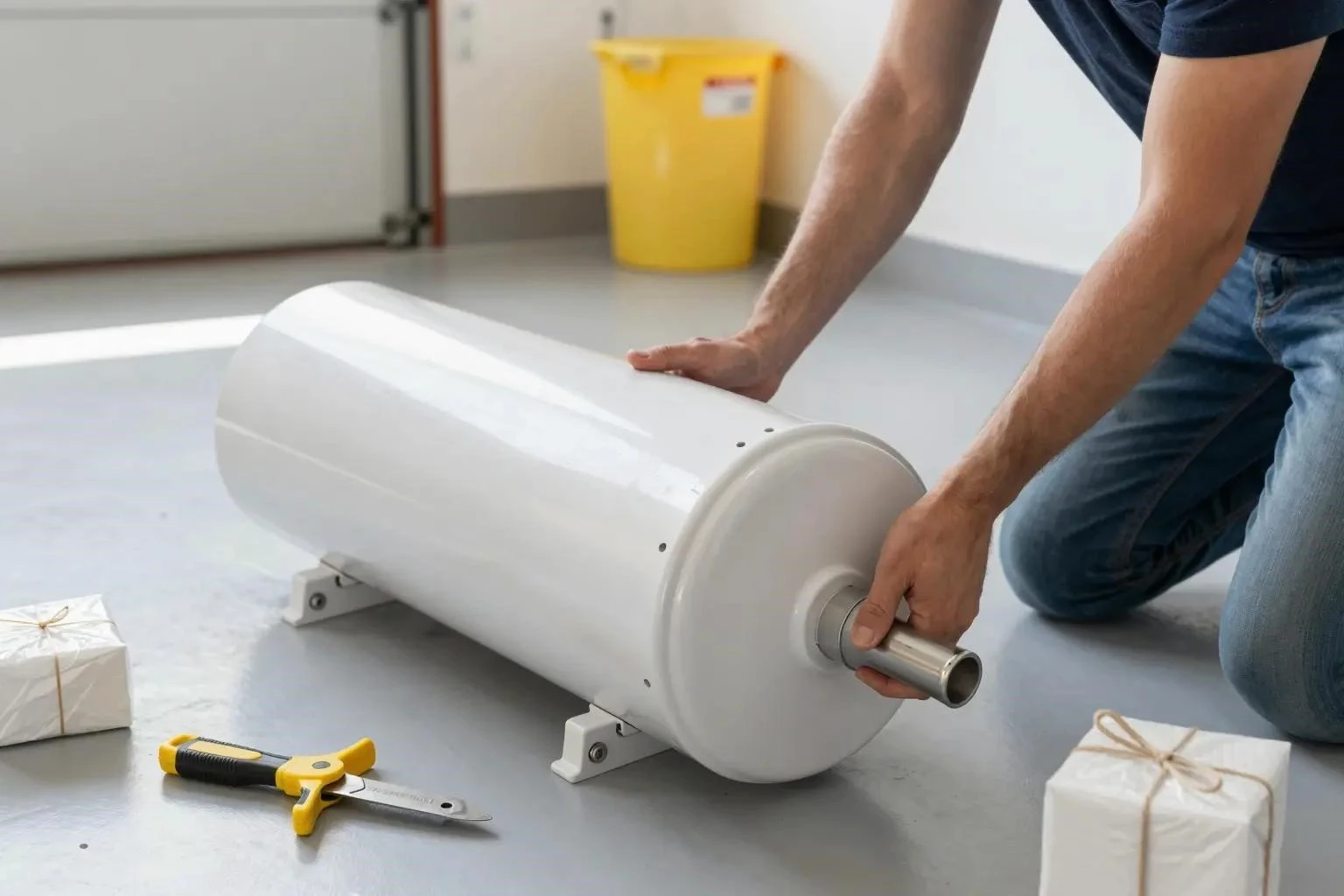
can you transport a water heater on its side

Transporting a water heater is a common task for both homeowners and professionals in the plumbing industry. However, it raises an important question: can you transport a water heater on its side? Understanding the implications of transporting a water heater in this position is critical to ensure maximum safety and prevent possible damage to the unit; In this article, we’ll explore the guidelines, precautions, and best practices for moving a water heater, particularly regarding its orientation during transport.

Understanding Water Heaters

Water heaters come in various types, including tankless, electric, and gas water heaters. The most common type in residential settings is the traditional water tank heater. These heaters typically hold a certain volume of water, which can be quite heavy, especially when filled. This weight necessitates careful handling during transportation to avoid any potential injuries or damage.

Why Orientation Matters

The orientation in which a water heater is transported—whether vertical or horizontal—can significantly affect its stability and integrity.

  • Vertical Orientation: Most manufacturers recommend transporting water heaters in an upright position. This orientation is typically the safest and minimizes the risk of internal components being damaged.
  • Horizontal Orientation: Transporting a water heater on its side can lead to several issues. The internal structure and heating elements may become misaligned, potentially leading to costly repairs or replacements. Additionally, transporting a water heater on its side can void the warranty.

Potential Risks of Transporting on Its Side

While it might seem feasible to transport a water heater on its side, several risks should be considered:

  • Internal Damage: Moving the water heater horizontally can cause damage to the internal components, including the tank lining and heating elements.
  • Weight Distribution: The weight of a full tank is significant. Placing it on its side during transport may cause uneven weight distribution, which can lead to instability while moving and increase the risk of dropping.
  • Leaking: If not secured properly, moving a water heater on its side can result in leaks, which may lead to catastrophic damage during the transportation.
  • Voiding Warranty: Many manufacturers specifically state that transporting the appliance in an improper position can void the warranty. Always check the warranty documentation before transportation.

Guidelines for Safe Transportation

If you must move a water heater, following proper guidelines can help ensure safety and prevent damage:

  1. Lift with Care: When lifting the water heater, use appropriate lifting techniques. Always lift with your legs and ask for help when necessary to avoid injury.
  2. Secure the Heater: Whether transporting it upright or, in rare cases, on its side, ensure that the water heater is securely fastened in your vehicle. Use straps or tie-downs to prevent movement during transport.
  3. Minimal Vertical Movement: If you must lay it down for any reason, try to keep the time spent in this position to a minimum and avoid any jarring movements that could strain the internals.
  4. Use Proper Equipment: A dolly or hand truck can be invaluable for moving a water heater. This equipment will help distribute weight evenly and make lifting and carrying significantly easier.
  5. Consider Shipping Guidelines: If you are shipping the water heater, make sure to follow all guidelines provided by the shipping company. Proper crating and orientation should align with manufacturer recommendations.

Recommendations for Installation

During installation, it’s just as important to adhere to safety practices. Here are some recommendations to follow:

  • Read the Manual: Always refer to the manufacturer’s installation manual for specific recommendations regarding orientation and placement.
  • Check Plumbing Connections: Ensure that all plumbing connections are secure and that the correct fittings are used to avoid leaks.
  • Allow Room for Stability: When installing, provide enough clearance around the appliance for both accessibility and ventilation.
  • Level the Heater: An unlevel installation can lead to uneven wear and tear. Use a level tool to ensure your water heater is set up correctly.

For the best results, always transport your water heater in an upright position, following all safety guidelines and manufacturers’ recommendations. By taking precautions, you help ensure a successful installation and prolong the life of your water heater.

Remember, always prioritize safety. When in doubt, consult with a professional plumber for assistance with moving and installing your water heater.