How were cattle transported from texas to the east

The transportation of cattle from Texas to the eastern United States was a significant aspect of the American beef industry in the 19th century. This article explores the historical context, the methods used in cattle drives, and the impact of railroads and innovations such as barbed wire on this industry.

The Rise of Cattle Drives

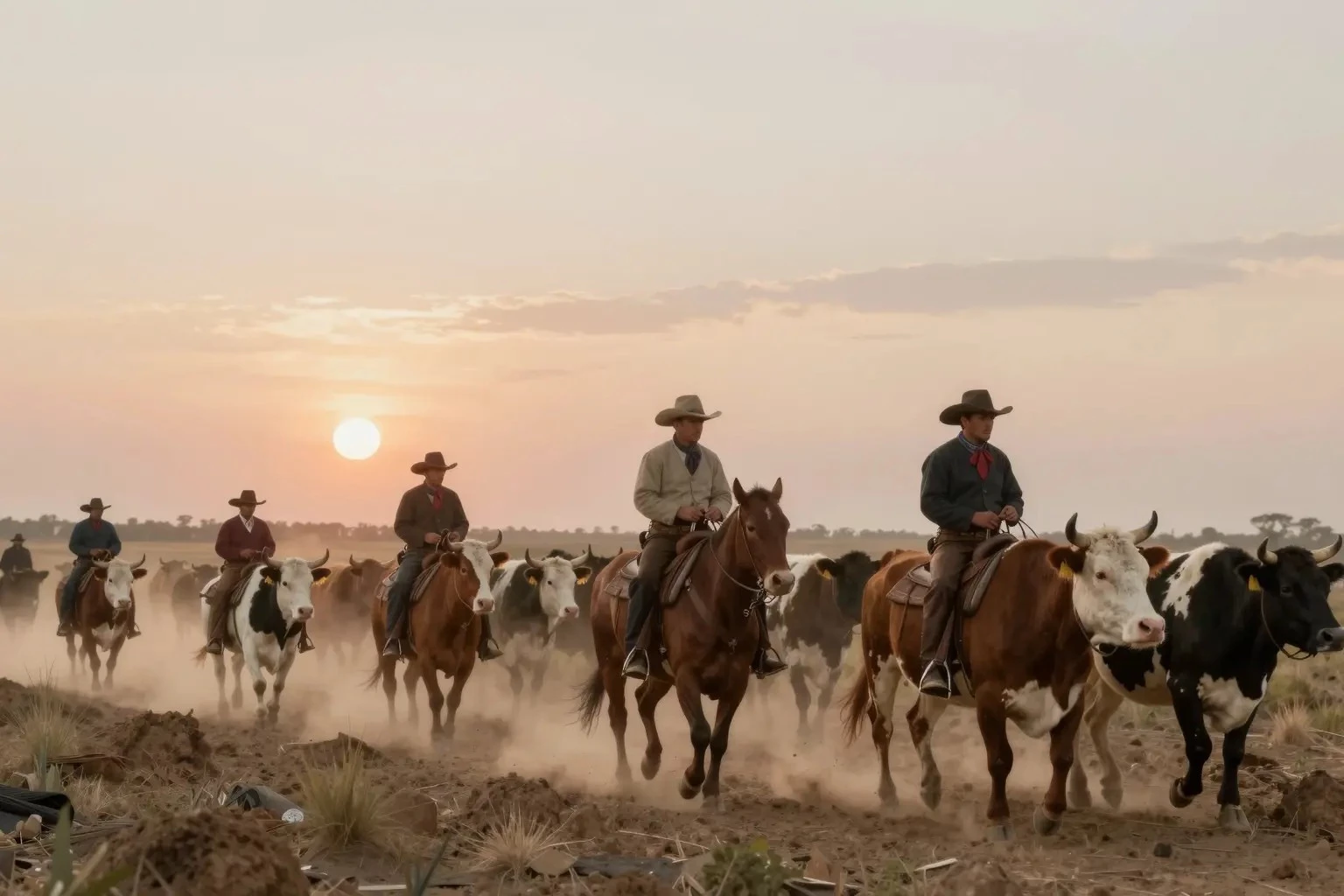
During the mid-19th century, Texas emerged as a major center for cattle ranching due to its vast open ranges and favorable grazing conditions. Texas Longhorns, a hardy breed known for their resilience and adaptability, became the primary livestock used in cattle drives.

The demand for beef in the eastern United States grew rapidly, leading to the development of cattle trails to transport livestock to markets where they could be sold. The most famous of these trails was the Chisholm Trail, which stretched from Texas to Kansas.

The Role of Cowboys and Drovers

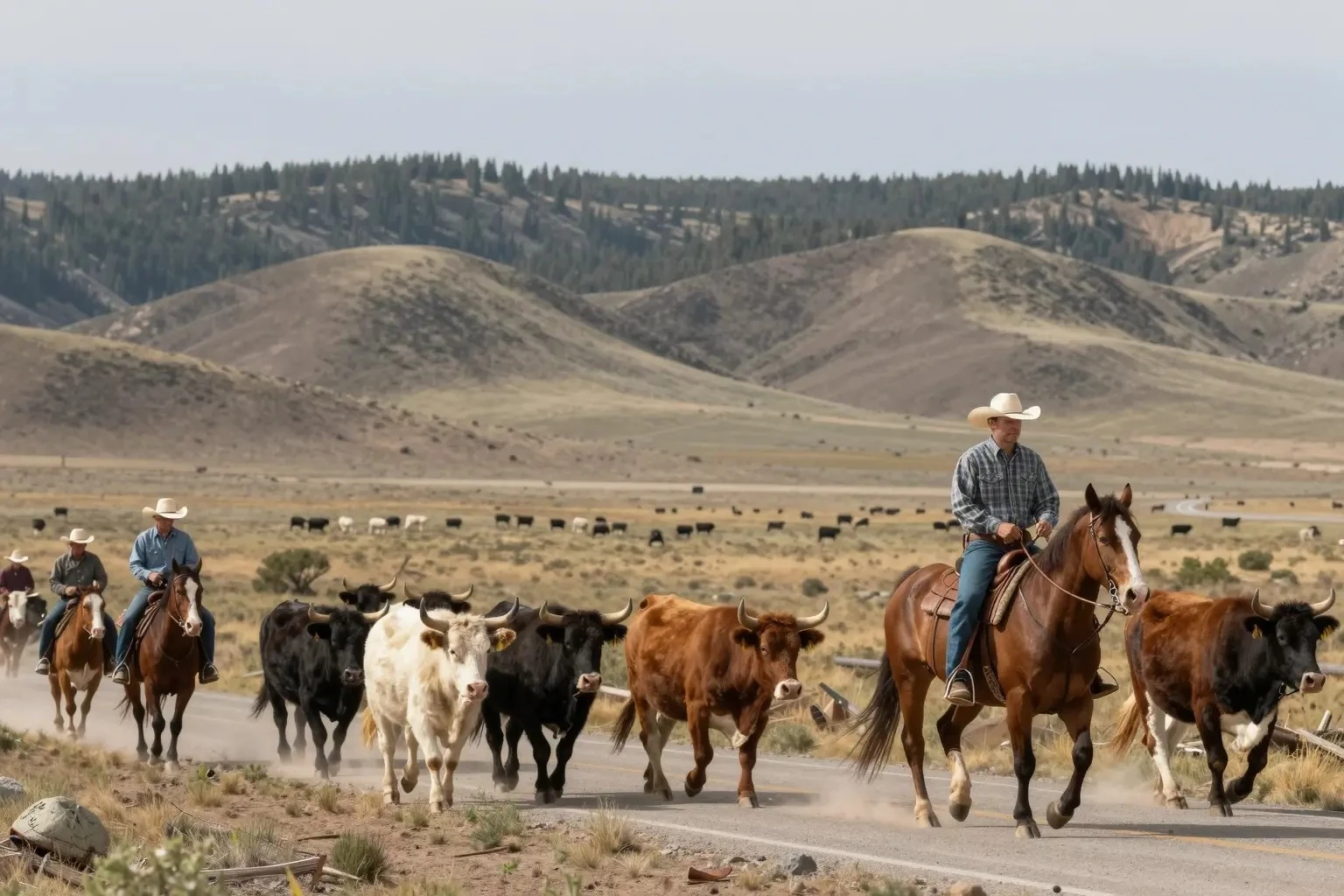
The success of cattle drives relied heavily on the skills of cowboys and drovers. These individuals were responsible for herding the cattle across long distances, ensuring they reached their destinations safely. Cowboys faced numerous challenges, including harsh weather, river crossings, and the threat of cattle rustlers.

A typical cattle drive involved a trail boss, who oversaw the operation, and a team of cowboys who managed the cattle along the way. The journey could take several months, covering hundreds of miles before reaching the stockyards in Kansas.

Railroads and Transportation

The introduction of railroads revolutionized the transportation of cattle. Railroads provided a faster, more efficient means of moving livestock from the western plains to eastern markets. Once the cattle reached Kansas, they were loaded onto trains and transported to major urban centers where the demand for beef was high.

The expansion of the railroad network reduced the reliance on long cattle drives, as cattle could now be transported directly from ranch to rail. This shift significantly impacted the economics of the beef industry and reduced the risks associated with overland herding.

Stockyards and Market Expansion

Upon reaching the stockyards in Kansas, cattle were sold to buyers from the east. These stockyards, such as those in Kansas City, served as critical hubs for the beef industry, facilitating the movement of livestock to markets.

The establishment of stockyards and the growth of rail infrastructure allowed for the expansion of the beef market, catering to the increasing demand in the eastern United States. This growth contributed to the prosperity of cattle ranchers and the development of towns along the rail lines.

Impact of Barbed Wire and the End of Open Range

The introduction of barbed wire in the late 19th century marked the end of the open range era. Ranchers began fencing their properties, leading to the decline of traditional cattle drives. Barbed wire allowed for more controlled grazing and prevented cattle from roaming freely, changing the landscape of cattle ranching.

This development, coupled with the expansion of railroads, diminished the need for long cattle drives as ranchers could manage their herds more efficiently within enclosed spaces. The era of the open range and cattle trails gradually came to an end, paving the way for modern cattle ranching practices.

The transportation of cattle from Texas to the east was a pivotal chapter in American history, highlighting the ingenuity and resilience of those involved in the cattle industry. From the arduous cattle drives along the Chisholm Trail to the transformative role of railroads and barbed wire, these developments shaped the beef industry and the American West. The legacy of this era continues to influence modern agricultural practices and the cultural heritage of the United States.

How to whistleblow on transportation company in texas

Whistleblowing is a crucial mechanism for maintaining ethical standards and ensuring regulatory compliance within organizations. In the context of a transportation company in Texas, whistleblowing can address various issues, including safety violations, ethical concerns, and misconduct. Here’s a comprehensive guide on how to effectively report such issues while ensuring your legal protection.

Understanding Whistleblowing

Whistleblowing involves reporting misconduct, typically within an organization, to those who have the power to rectify it. It is a vital tool for uncovering ethical concerns and ensuring corporate accountability. For employees in a transportation company, this may involve highlighting issues relating to workplace safety, illegal activities, or breaches of federal regulations.

Legal Protection for Whistleblowers

Federal and state laws provide various forms of retaliation protection for whistleblowers. Specifically, the Whistleblower Protection Act shields employees from adverse actions such as termination, demotion, or discrimination due to their reporting of misconduct. In Texas, additional statutes protect employees who report violations of safety regulations and other legal breaches.

Steps to Report Misconduct

  1. Gather Evidence: Before reporting, collect substantial evidence documentation to support your claims. This may include emails, documents, eyewitness accounts, and any other relevant information.
  2. Utilize Internal Channels: Most companies have an internal investigation process or a hotline for reporting issues. Begin by using these channels to report the misconduct unless you fear retaliation.
  3. Consider Anonymous Tips: If concerned about personal repercussions, consider submitting an anonymous tip. This can be done through a third-party reporting service that keeps your identity confidential.
  4. Contact Relevant Authorities: If internal resolution is not possible, or the issue involves significant legal breaches, it may be necessary to report to government agencies such as the Occupational Safety and Health Administration (OSHA) or the Federal Motor Carrier Safety Administration (FMCSA).

Regulatory Compliance and Workplace Safety

Adherence to regulatory compliance is fundamental in the transportation industry. Reporting any safety violations is not only a legal obligation but also a moral one, aimed at protecting the lives of employees and the public. Ensuring workplace safety helps prevent accidents and upholds the company’s reputation.

Using a Whistleblower Hotline

A whistleblower hotline is an essential tool for reporting misconduct. It offers a secure and often anonymous way to voice concerns. Companies are encouraged to establish such hotlines and promote their use to encourage transparency and accountability.

Role of Third-Party Reporting Services

Engaging third-party reporting services can enhance the credibility and impartiality of the whistleblowing process. These services operate independently from the company and can ensure that reports are handled with the utmost confidentiality and seriousness.

State Laws and Federal Regulations

Texas state laws complement federal regulations by providing additional protection for whistleblowers. These laws are designed to encourage the reporting of misconduct without fear of retaliation. Understanding both state and federal laws is crucial for a whistleblower to navigate the reporting process effectively.

Ensuring Employee Rights

Employees have the right to report any unethical or illegal activities without facing negative consequences. Upholding employee rights is essential for fostering a safe and ethical work environment. Companies should educate their employees about their rights and the importance of whistleblowing.

Whistleblowing on a transportation company in Texas is a significant responsibility that can lead to meaningful changes in safety and ethics. By following the outlined steps and understanding the protections available, whistleblowers can effectively contribute to corporate accountability and the overall integrity of the industry. Remember, your actions can help prevent disasters and promote a culture of transparency and ethical behavior.