
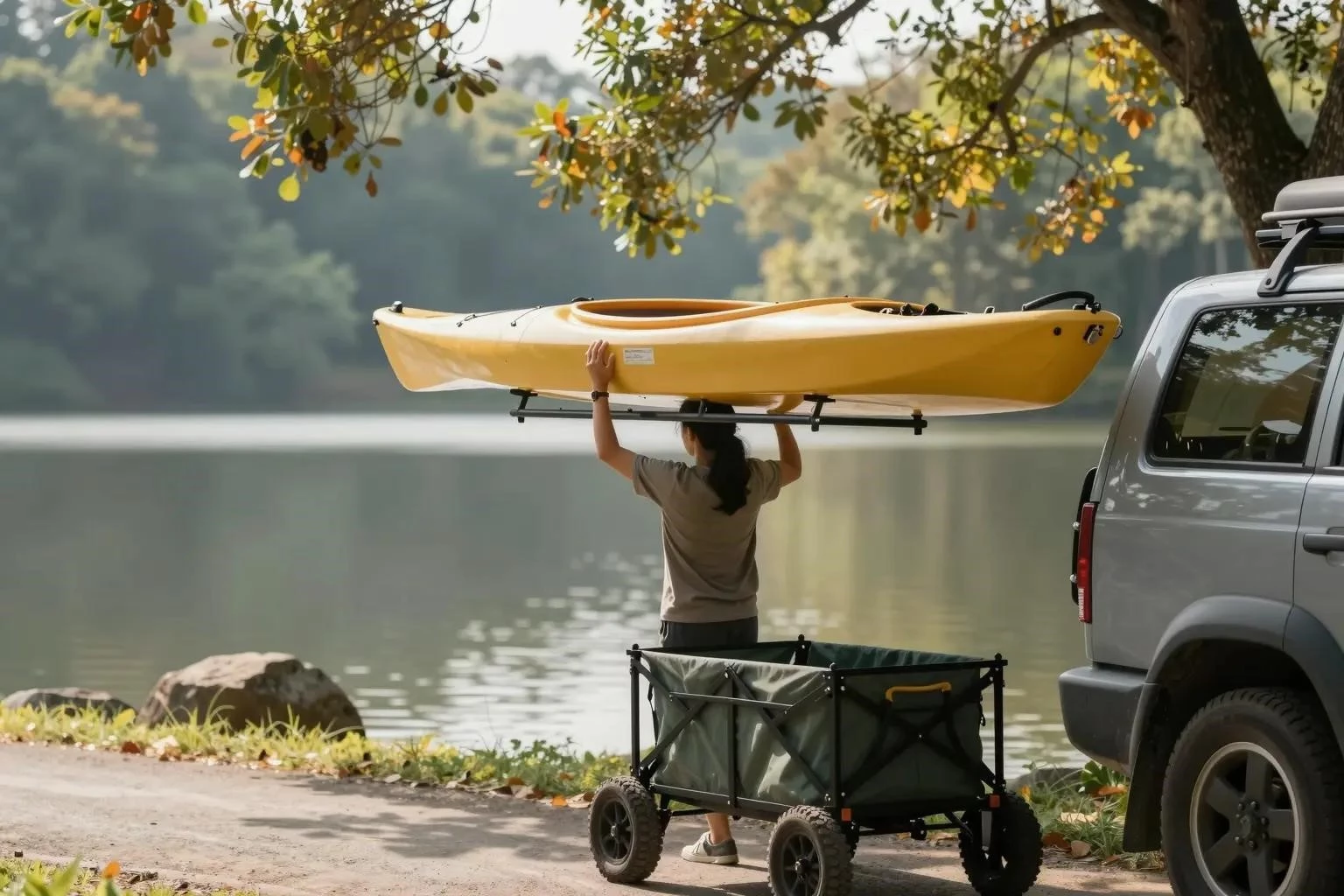
Transporting a kayak can be a daunting task, especially if you don’t have a roof rack or a designated carrier. However, there are numerous kayak transport options available that can make the process easier and more convenient. In this article, we will explore various methods for kayak hauling, discuss the equipment you might need, and provide tips for safe and effective kayak relocation.
Understanding Kayak Transport Options
When it comes to transports kayaks, several alternatives exist that can accommodate your needs without relying on a traditional rooftop setup. Here we highlight popular alternative options:
DIY Kayak Transport Solutions
If you’re handy and enjoy crafting, you might consider DIY kayak transport solutions. Many kayakers have created their own systems using materials that are easy to source.
- Pool Noodles: Cut pool noodles into sections and attach them to your car’s roof using kayak straps. These provide a cushioning effect for your kayak.
- Painted PVC Pipes: Build a cradle for your kayak with PVC pipes that you can adjust between the width of your car.
Kayak Cart and Dolly Systems
A kayak cart or kayak dolly can be a lifesaver when it comes to moving your kayak from the parking lot to the water.
- Single-Wheeled Kayak Dollies: These are designed to support the weight of your kayak while you manually transport it.
- Two-Wheeled Kayak Carts: These tend to be more stable and allow you to easily carry a kayak over longer distances.
Using Vehicle Kayak Transport Solutions
For direct transportation in a vehicle, you can explore several methods:
Truck Bed Kayak Transport
If you have a truck, transporting your kayak in the truck bed is one of the most efficient methods. Here are the steps to ensure a secure fit:
- Lay Down Blankets: Protect the truck bed and the kayak by laying down heavy blankets.
- Position the Kayak: Lay the kayak upside down in the truck bed, ensuring the front is oriented toward the cabin for better aerodynamics;
- Use Tie Down Kayak Straps: Secure the kayak using ratchet straps or cam buckle straps, anchoring them to the tie-down points in the truck bed.
Car Kayak Transport Without a Roof Rack
If you don’t have a roof rack, you can still secure your kayak on the roof of your car using alternate methods:
- Pool Noodles on Car Roof: Place pool noodles on the roof of your car. They will protect your kayak and provide a cushion.
- Soft Rack Systems: These are fabric-based racks that can easily attach to most cars and can support kayaks efficiently.
- Using Foam Blocks: Foam blocks specially designed for kayak transport can be placed on your roof to provide stability during transit.
Choosing the Right Kayak Transport Equipment
Regardless of the method you choose, certain equipment can enhance your kayak transport experience:
Kayak Straps and Tie-Downs
High-quality kayak straps are essential for securing your kayak to the vehicle. Make sure to use:
- Cam Buckle Straps: Easy to use and adjust, making them great for quick tie-downs.
- Ratchet Straps: Offer a firmer hold but require careful handling to avoid overtightening.
Kayak Pads and Protection
Kayak pads are important for protecting both your kayak and vehicle during transport:
- Foam Pads: Placed underneath the kayak to prevent scratches and damage.
- Cushioned Straps: For additional protection against pinching or sharp edges when securing.
Kayak Safety Tips During Transportation
Ensuring the safety of your kayak during transport is vital. Here are some crucial kayak safety tips to keep in mind:
- Double-Check Everything: Always ensure that your kayak is securely tied down before setting off on your journey.
- Use Proper Signals: Install flags or lights if transporting on a long vehicle to alert other drivers.
- Monitoring Your Load: Make regular stops to check that your kayak remains secure.
Storing Your Kayak After Transport
Once you have transported your kayak, proper storage is essential. Here are some great ways to store your kayak:
- On a Wall: Install a wall rack to keep your kayak off the floor and free from damage.
- On a Stand: Invest in a kayak storage stand that allows you to store it vertically or horizontally.
- In a Shed or Garage: Store indoors to protect it from weather elements, ensuring it stays in good condition.
In summary, transporting a kayak without a roof rack is entirely feasible with the right equipment and methods in place. Whether you choose car kayak transport methods, utilize a kayak cart, or implement DIY solutions, ensuring a proper fit and secure transport is key to a successful kayaking adventure. Always prioritize safety and consider your kayak’s protection during both transport and storage. Now, get out there and enjoy exploring the waterways!