
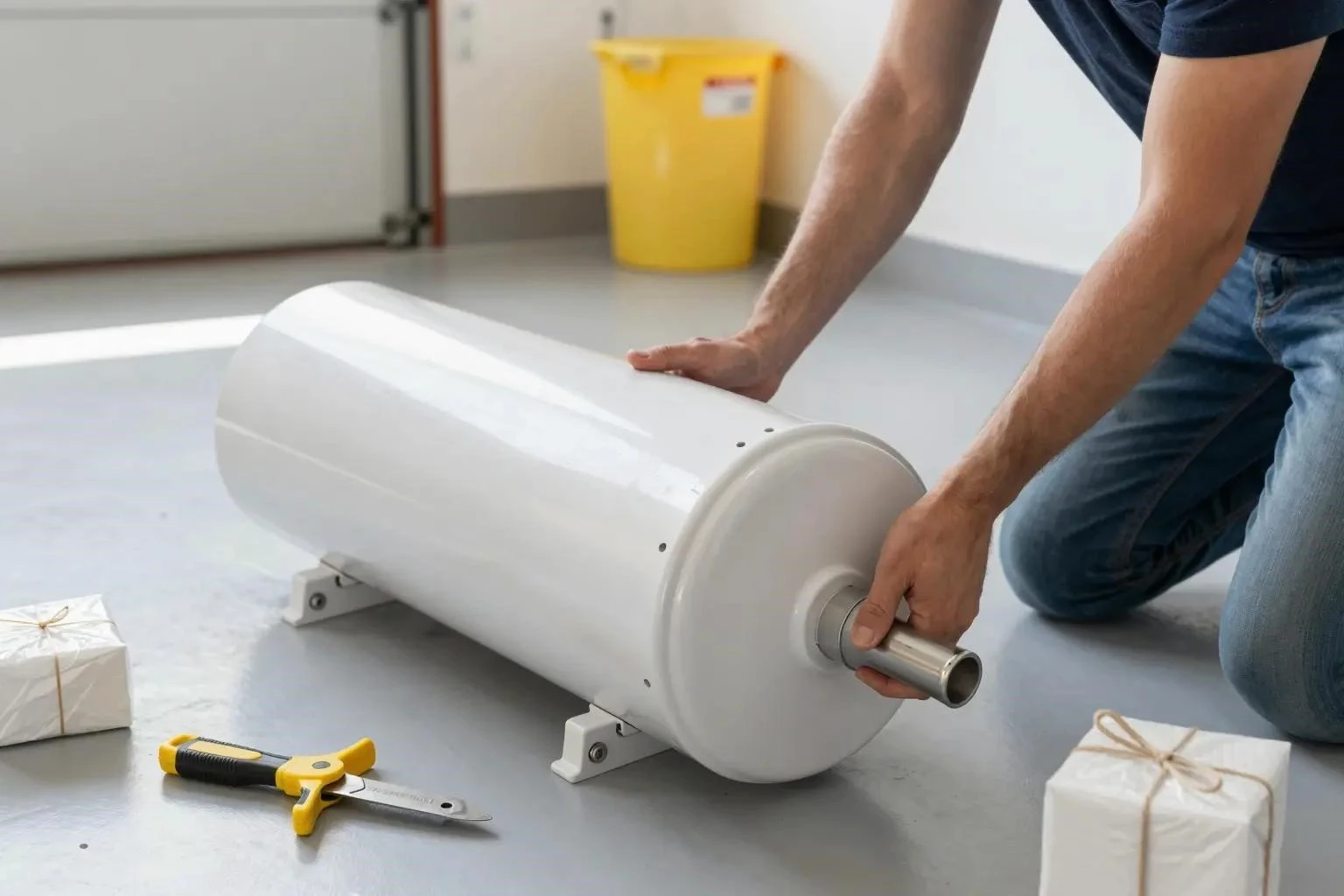
Transporting a water heater is a common task for both homeowners and professionals in the plumbing industry. However, it raises an important question: can you transport a water heater on its side? Understanding the implications of transporting a water heater in this position is critical to ensure maximum safety and prevent possible damage to the unit; In this article, we’ll explore the guidelines, precautions, and best practices for moving a water heater, particularly regarding its orientation during transport.
Understanding Water Heaters
Water heaters come in various types, including tankless, electric, and gas water heaters. The most common type in residential settings is the traditional water tank heater. These heaters typically hold a certain volume of water, which can be quite heavy, especially when filled. This weight necessitates careful handling during transportation to avoid any potential injuries or damage.
Why Orientation Matters
The orientation in which a water heater is transported—whether vertical or horizontal—can significantly affect its stability and integrity.
- Vertical Orientation: Most manufacturers recommend transporting water heaters in an upright position. This orientation is typically the safest and minimizes the risk of internal components being damaged.
- Horizontal Orientation: Transporting a water heater on its side can lead to several issues. The internal structure and heating elements may become misaligned, potentially leading to costly repairs or replacements. Additionally, transporting a water heater on its side can void the warranty.
Potential Risks of Transporting on Its Side
While it might seem feasible to transport a water heater on its side, several risks should be considered:
- Internal Damage: Moving the water heater horizontally can cause damage to the internal components, including the tank lining and heating elements.
- Weight Distribution: The weight of a full tank is significant. Placing it on its side during transport may cause uneven weight distribution, which can lead to instability while moving and increase the risk of dropping.
- Leaking: If not secured properly, moving a water heater on its side can result in leaks, which may lead to catastrophic damage during the transportation.
- Voiding Warranty: Many manufacturers specifically state that transporting the appliance in an improper position can void the warranty. Always check the warranty documentation before transportation.
Guidelines for Safe Transportation
If you must move a water heater, following proper guidelines can help ensure safety and prevent damage:
- Lift with Care: When lifting the water heater, use appropriate lifting techniques. Always lift with your legs and ask for help when necessary to avoid injury.
- Secure the Heater: Whether transporting it upright or, in rare cases, on its side, ensure that the water heater is securely fastened in your vehicle. Use straps or tie-downs to prevent movement during transport.
- Minimal Vertical Movement: If you must lay it down for any reason, try to keep the time spent in this position to a minimum and avoid any jarring movements that could strain the internals.
- Use Proper Equipment: A dolly or hand truck can be invaluable for moving a water heater. This equipment will help distribute weight evenly and make lifting and carrying significantly easier.
- Consider Shipping Guidelines: If you are shipping the water heater, make sure to follow all guidelines provided by the shipping company. Proper crating and orientation should align with manufacturer recommendations.
Recommendations for Installation
During installation, it’s just as important to adhere to safety practices. Here are some recommendations to follow:
- Read the Manual: Always refer to the manufacturer’s installation manual for specific recommendations regarding orientation and placement.
- Check Plumbing Connections: Ensure that all plumbing connections are secure and that the correct fittings are used to avoid leaks.
- Allow Room for Stability: When installing, provide enough clearance around the appliance for both accessibility and ventilation.
- Level the Heater: An unlevel installation can lead to uneven wear and tear. Use a level tool to ensure your water heater is set up correctly.
For the best results, always transport your water heater in an upright position, following all safety guidelines and manufacturers’ recommendations. By taking precautions, you help ensure a successful installation and prolong the life of your water heater.
Remember, always prioritize safety. When in doubt, consult with a professional plumber for assistance with moving and installing your water heater.