
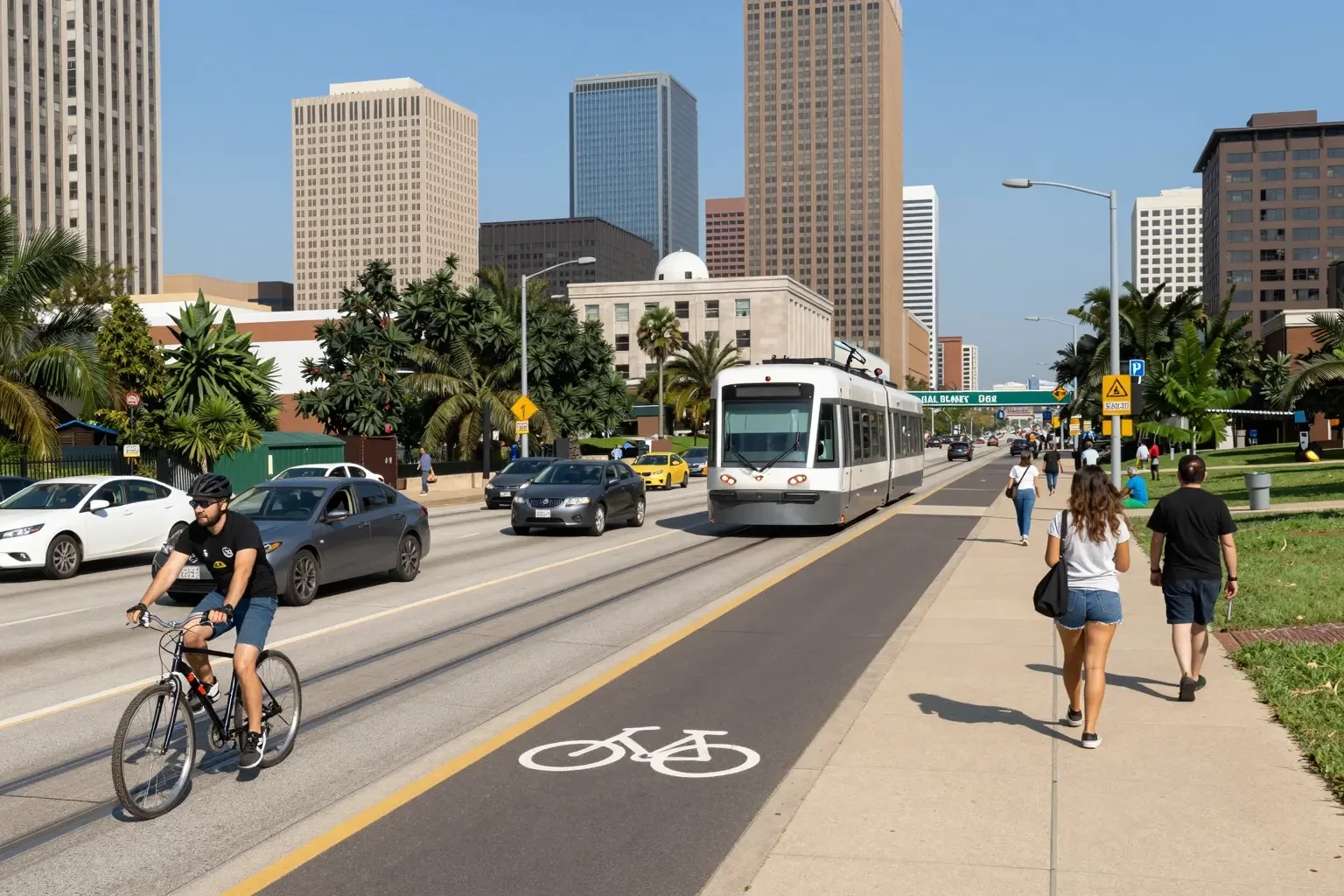
Houston, Texas, is a sprawling metropolis known for its diverse culture, economic prowess, and extensive transportation network. With a population exceeding 2 million, the city’s transportation infrastructure faces significant challenges, particularly in managing traffic congestion and supporting a diverse range of transportation options. This article explores the current state of public transit, the role of the METRO system, and the various modalities that shape Houston’s urban mobility.
The Role of METRO in Public Transit
The Metropolitan Transit Authority of Harris County, commonly referred to as METRO, is the backbone of Houston’s public transit system. METRO operates a combination of bus routes, light rail, and rideshare services, designed to alleviate traffic congestion and provide accessible transportation options to residents and visitors alike.
Bus Routes
METRO’s extensive network of bus routes is vital for connecting various neighborhoods and suburban areas to the city’s core. The bus system is designed to provide frequent, reliable service, with routes strategically planned to serve high-demand areas and enhance city mobility. This extensive network helps reduce car dependency by offering a viable alternative for commuters.
Light Rail
Houston’s light rail system, known as METRORail, currently consists of three lines that connect major activity centers, including downtown, the Texas Medical Center, and NRG Park. The light rail provides an efficient and environmentally friendly alternative to driving, helping to ease highway congestion and improve overall road conditions.
Overcoming Car Dependency
Houston’s urban planning has historically favored car dependency, resulting in sprawling suburban areas and extensive highways that dominate the city’s landscape. However, there is a growing recognition of the need to diversify transportation options and improve accessibility for pedestrians and cyclists.
Cycling Paths and Pedestrian-Friendly Initiatives
In recent years, Houston has made strides in enhancing its cycling infrastructure. The city has invested in expanding cycling paths and creating pedestrian-friendly zones to encourage non-motorized forms of transportation. These efforts not only promote healthier lifestyles but also contribute to reducing traffic congestion and improving air quality.
Suburban Connectivity
Connecting suburban areas to the city center is a critical aspect of improving Houston’s transportation network. METRO’s park and ride lots serve as key hubs for commuters from suburban areas, offering convenient access to public transit and reducing the need for long-distance driving.
Accessibility and City Mobility
Accessibility remains a crucial concern for Houston’s transportation planners. Ensuring that public transit is accessible to all residents, including those with disabilities, is essential for fostering an inclusive transportation network. METRO has implemented measures such as wheelchair-accessible vehicles and audio-visual aids to improve accessibility across its services.
Rideshare and Emerging Technologies
The rise of rideshare services like Uber and Lyft has introduced new dynamics to Houston’s transportation landscape. These services offer flexible and convenient transportation options, supplementing traditional public transit and catering to diverse commuter needs. Additionally, emerging technologies such as electric scooters and bike-sharing programs are contributing to a more dynamic and adaptable transportation ecosystem.
Challenges and Future Directions
Despite these advancements, Houston faces several challenges in its quest to provide efficient and sustainable transportation options. The city’s rapid growth and sprawling development patterns pose significant obstacles in terms of infrastructure development and urban planning.
Infrastructure and Road Conditions
Maintaining and upgrading road conditions is a perennial challenge for Houston’s transportation authorities. The city’s expansive highway network requires continuous investment to accommodate increasing traffic volumes and ensure safe and efficient commutes. Urban planners must balance the need for road maintenance with investments in public transit and other sustainable transportation solutions.
Urban Planning and Sustainability
Looking to the future, Houston’s urban planning efforts must prioritize sustainability and resilience. This includes integrating green spaces, enhancing public transit, and fostering mixed-use developments that reduce the need for long commutes. By prioritizing sustainable urban planning, Houston can mitigate the impacts of car dependency and promote a more balanced transportation network.
Transportation in Houston, Texas, is a complex and multifaceted issue, shaped by historical development patterns, demographic trends, and evolving commuter needs. While significant progress has been made in expanding public transit options and promoting alternative transportation modes, challenges remain in addressing traffic congestion, enhancing accessibility, and reducing car dependency.
By continuing to invest in a diverse array of transportation options, including METRO services, rideshare, cycling paths, and pedestrian-friendly initiatives, Houston can build a more sustainable and accessible transportation network. The city’s commitment to improving infrastructure and adopting forward-thinking urban planning strategies will be crucial in shaping the future of transportation and ensuring mobility for all residents.
Ultimately, the effectiveness of Houston’s transportation system will depend on the collective efforts of city officials, urban planners, and the community to embrace innovative solutions and create a more connected and resilient city.