
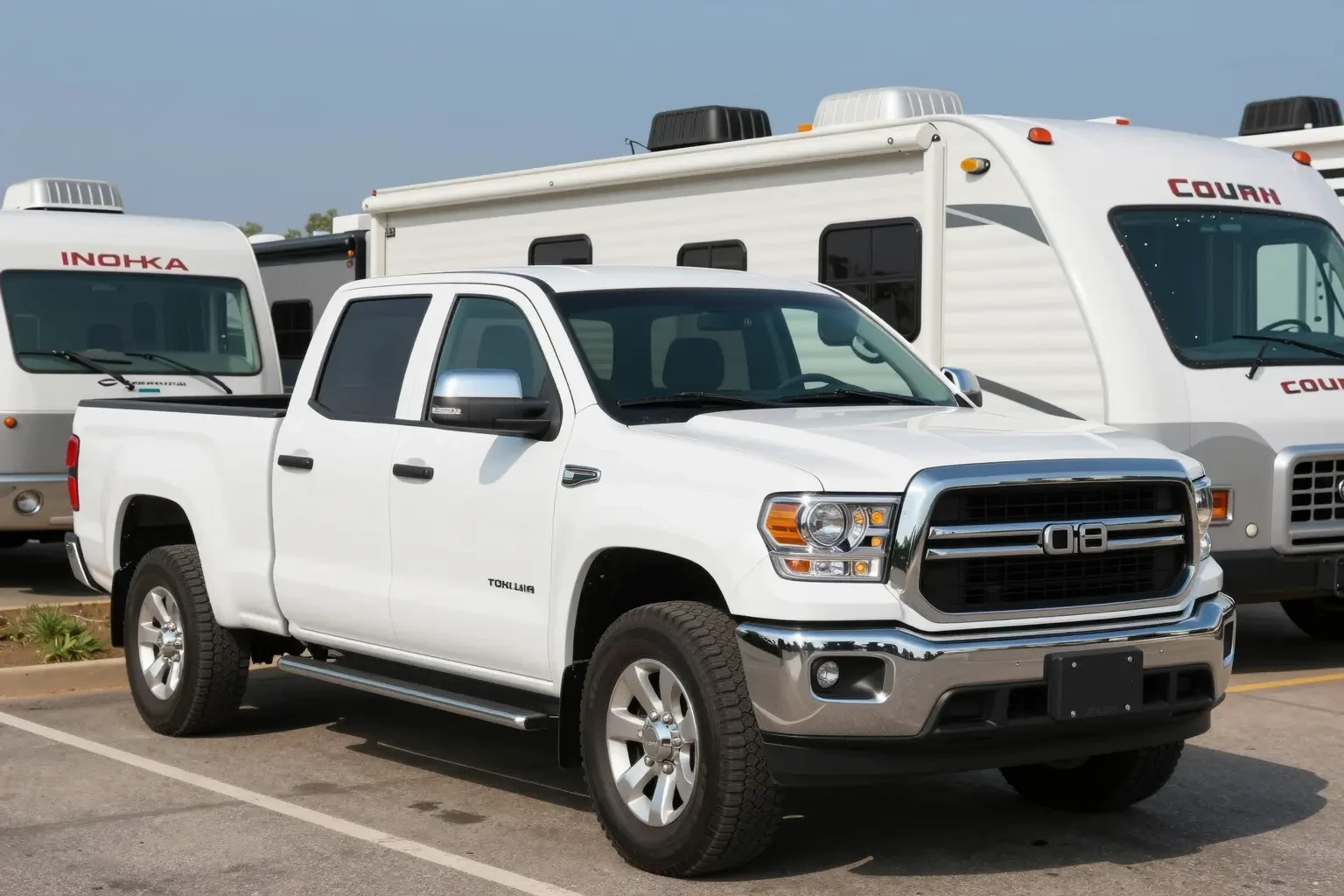
Starting an RV transport business in Texas involves several steps, including understanding the transportation regulations and completing the necessary vehicle registration. This article will guide you through the process of registering your Texas pickup truck for use in an RV transport business, covering essential aspects such as registration, insurance requirements, and compliance with state and federal laws.
Understanding Texas Transportation Regulations
The Texas Department of Motor Vehicles (TxDMV) oversees vehicle registration and transportation regulations. For your RV transport business, it’s important to comply with both state and federal regulations, including obtaining a DOT number, if necessary, for your commercial vehicle. This number is crucial for any motor carrier involved in interstate commerce.
Vehicle Registration Process
To register your pickup truck for transporting RVs, you must follow the vehicle registration process outlined by the TxDMV. This includes several important steps:
- Title Transfer: If you’ve purchased a used pickup, ensure the title is transferred to your name. This step is necessary for registration.
- Vehicle Identification Number (VIN) Verification: Ensure that your vehicle’s VIN matches the one on the title and registration documents.
- Safety Inspections: Your pickup must pass a safety inspection to ensure it meets all safety standards. This is a requirement for both registration and insurance.
License Plates and Registration Fees
Once your vehicle passes inspection, you can apply for license plates. The type of license plate and the registration fees depend on your vehicle’s weight classification and intended use. For commercial vehicles, fees may vary based on the weight of the load being transported.
Insurance Requirements
Obtaining the correct insurance is critical. You’ll need commercial auto insurance that covers the transport of RVs, which may differ from standard personal vehicle insurance. This insurance ensures coverage for potential liabilities arising from commercial activities.
Compliance and Licensing
Compliance with state and federal transportation laws is essential for operating legally. This includes obtaining the necessary licensing, such as a commercial driver’s license (CDL), if required based on the weight and type of RVs being transported.
Fleet Management and Documentation
Effective fleet management involves maintaining accurate documentation for each vehicle in your fleet. This includes keeping records of all registrations, inspections, insurance policies, and compliance documentation.
Temporary Permits
If you need to transport RVs before completing the full registration process, you may apply for temporary permits. These permits allow limited operation of the vehicle under specific conditions, providing flexibility while you finalize your registration.
Additional Considerations
When starting your RV transport business, consider these additional factors:
- DOT Number: If you plan to operate interstate, obtaining a DOT number is mandatory. This number registers your business with the Federal Motor Carrier Safety Administration (FMCSA).
- Weight Classification: Ensure that your vehicle’s weight classification matches the loads you intend to carry. This affects both the registration process and compliance with transportation regulations.
By following these steps and understanding the requirements set by the Texas Department of Motor Vehicles, you can successfully register your pickup for transporting RVs. Adhering to all insurance, safety, and compliance regulations will ensure smooth operation and help avoid legal issues.
Remember, thorough preparation and understanding of these processes not only help in establishing a compliant transport business but also contribute to its long-term success.