
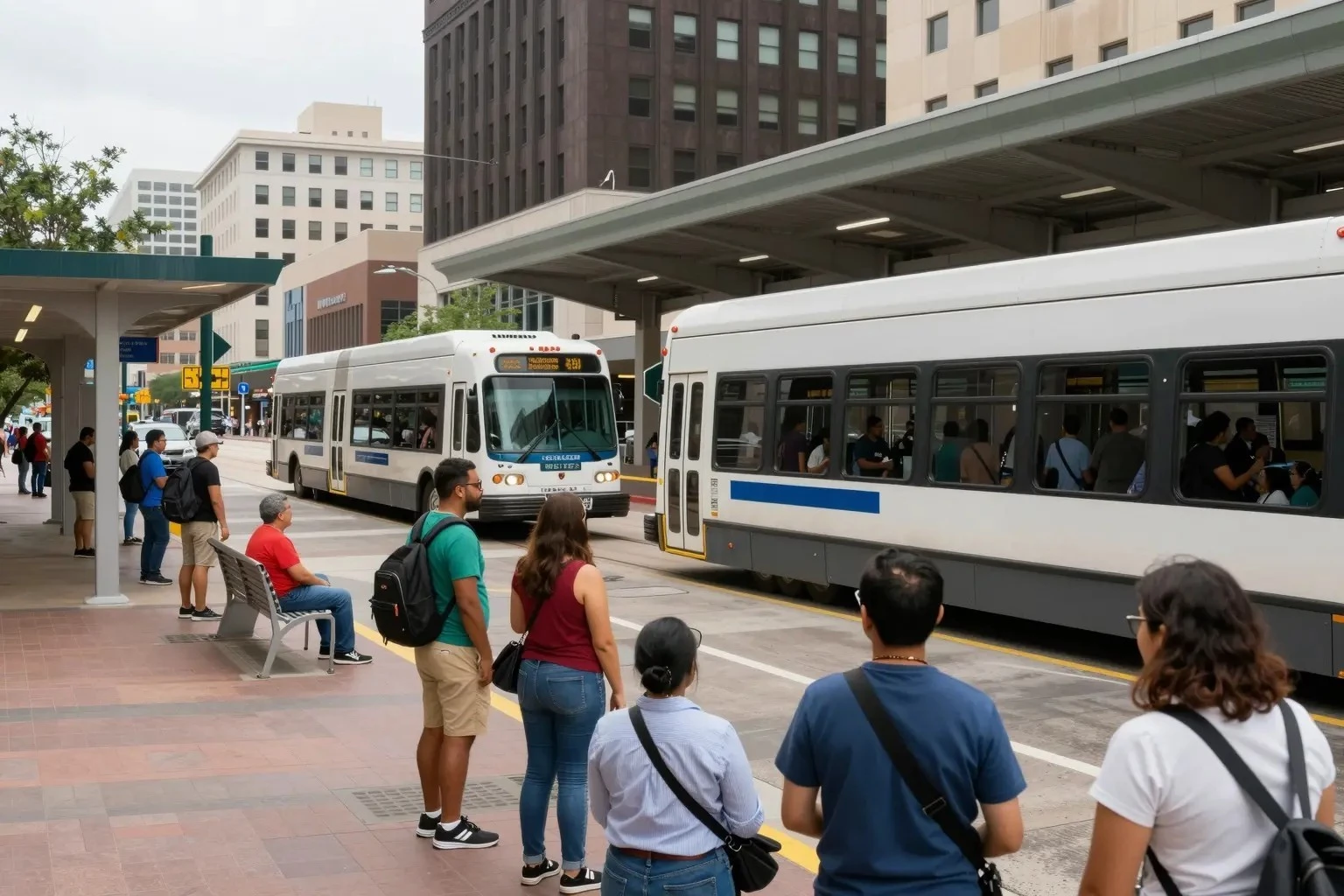
Texas, the second largest state in the United States, is known for its vast landscapes, diverse cities, and significant economic contributions. However, one aspect that often comes under scrutiny is its public transportation systems. As urban mobility becomes a focal point for sustainable development, Texas cities are striving to enhance their transit systems to meet growing demands. This article will explore which Texas city offers the best public transportation by examining various factors such as metro services, buses, light rail, and commuter options.
Evaluating the Best City for Public Transportation
The criteria for determining the best city in Texas with regards to public transportation involves several key components:
- Transportation infrastructure
- Commuter satisfaction
- Urban planning and city connectivity
- Mass transit options and sustainable travel
- Ridership levels
Transportation Infrastructure
A robust transportation infrastructure is the backbone of any effective transit system. Texas cities are investing in infrastructure to enhance urban mobility and reduce congestion. The effectiveness of these investments is reflected in the quality and reach of metro services, buses, light rail, and commuter options available to residents and visitors.
Commuter Satisfaction
Commuter satisfaction is a crucial factor in evaluating public transportation systems. It encompasses the reliability, safety, and convenience of transit services. Cities that prioritize commuter satisfaction often see higher ridership levels, as satisfied commuters are more likely to use public transit regularly.
Urban Planning and City Connectivity
Effective urban planning is essential for city connectivity. It ensures that various modes of transportation are integrated seamlessly, providing easy access to different parts of the city. This integration is vital for reducing travel times and promoting mass transit as a viable alternative to private vehicles.
Mass Transit Options and Sustainable Travel
The availability of diverse mass transit options, such as buses, light rail, and metro services, is a significant indicator of a city’s commitment to sustainable travel. Cities that offer a range of commuter options can accommodate different needs and preferences, encouraging more people to opt for public transportation.
Ridership Levels
High ridership levels are often indicative of a successful transit system. They reflect the system’s ability to meet the needs of its users effectively. Cities with higher ridership levels are generally seen as having more efficient and reliable transit systems.
Comparing Major Texas Cities
Texas is home to several major cities, each with its own unique approach to public transportation. Let’s examine how cities like Houston, Dallas, Austin, and San Antonio fare in terms of their transit systems.
Houston: The Metropolitan Transit Authority of Harris County (METRO)
Houston’s public transportation is managed by the Metropolitan Transit Authority of Harris County, commonly known as METRO. It offers an extensive network of buses, light rail, and park and ride services. The METRORail, Houston’s light rail system, plays a significant role in the city’s transit infrastructure, providing efficient travel across key urban areas.
Despite experiencing challenges related to urban sprawl, Houston has made significant strides in improving its transit system. The city’s emphasis on enhancing connectivity and expanding light rail services has contributed to increased ridership levels and commuter satisfaction.
Dallas: Dallas Area Rapid Transit (DART)
Dallas Area Rapid Transit, or DART, is renowned for its extensive light rail network, which is one of the largest in the United States. DART’s services include buses, light rail, and commuter rail, connecting Dallas to its surrounding suburbs.
Dallas’s commitment to urban planning and sustainable travel is evident in its efforts to expand the light rail system and improve bus services. The system’s reach and efficiency have made it a popular choice among commuters, reflected in the city’s high ridership levels.
Austin: Capital Metropolitan Transportation Authority (CapMetro)
Austin’s public transportation system, operated by the Capital Metropolitan Transportation Authority (CapMetro), is known for its innovative approaches to urban mobility. CapMetro offers a combination of buses, commuter rail, and a new line of services known as MetroRapid.
Austin’s focus on urban planning and sustainable travel has led to the development of a transit system that caters to the city’s growing population. The introduction of electric buses and expansion of MetroRapid services are part of Austin’s strategy to enhance city connectivity and reduce reliance on cars.
San Antonio: VIA Metropolitan Transit
VIA Metropolitan Transit is responsible for public transportation in San Antonio. While San Antonio does not have a light rail system, VIA offers an extensive bus network and innovative services like VIA Link, which provides on-demand transit in certain areas.
San Antonio’s focus on improving bus services and implementing new technologies aims to boost commuter satisfaction and increase ridership levels. VIA’s efforts to integrate various transportation modes contribute to a more connected and accessible city.
Determining which Texas city has the best public transportation is a complex task, as each city has its strengths and challenges. However, Dallas often stands out due to its extensive light rail network, comprehensive bus services, and effective urban planning. DART’s commitment to expanding its services and enhancing city connectivity makes Dallas a leader in Texas public transportation.
All four cities—Houston, Dallas, Austin, and San Antonio—are making significant efforts to improve their transit systems. Their focus on urban mobility, sustainable travel, and commuter satisfaction indicates a positive trajectory for public transportation in Texas.