
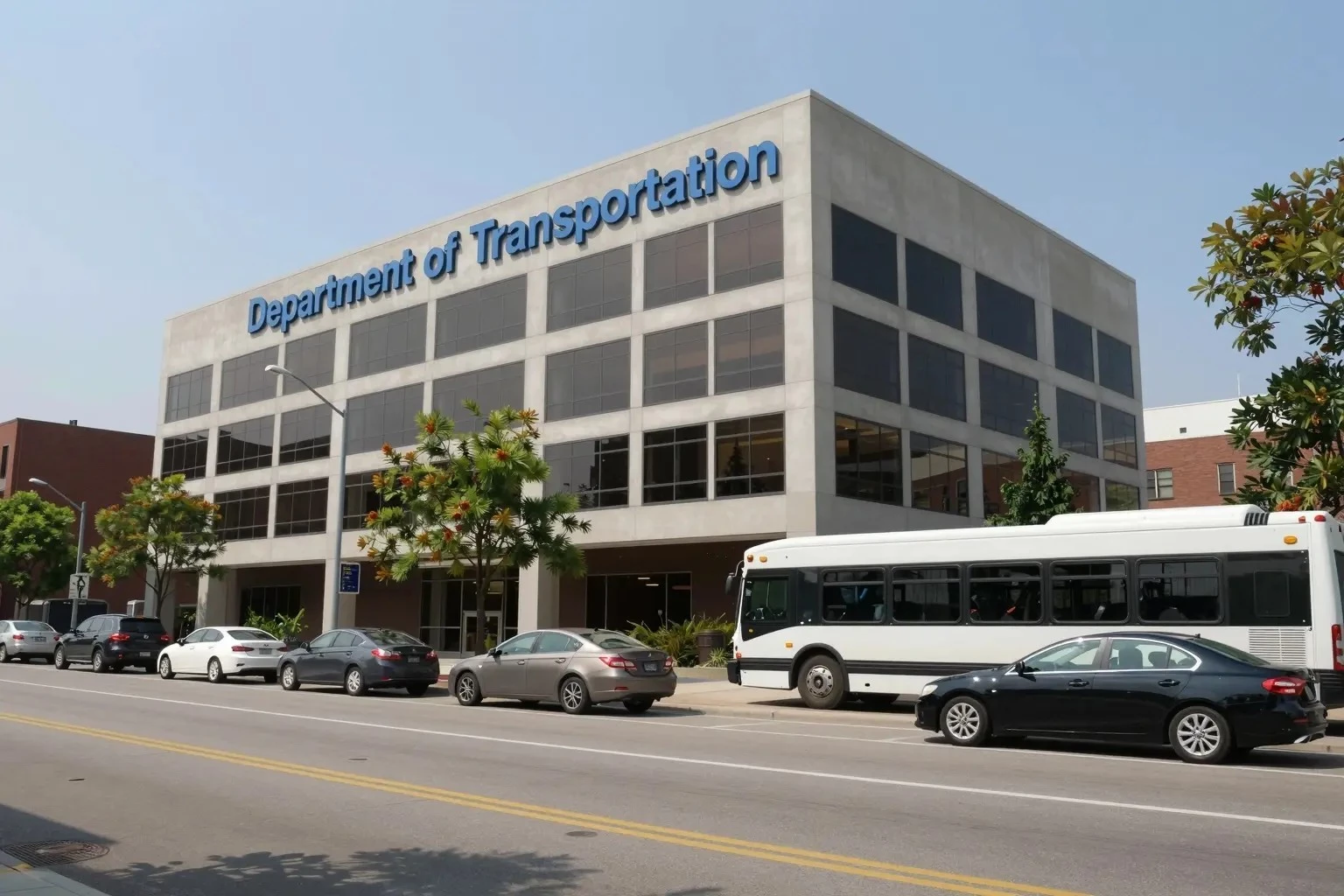
The Texas Department of Transportation, commonly referred to as TxDOT, is a state transportation agency responsible for maintaining and developing the transportation infrastructure of Texas. As one of the largest and most diverse states in the United States, Texas relies heavily on its network of highways, roads, and public transit systems to support its economic vitality and the daily lives of its residents.
Overview of TxDOT
TxDOT is tasked with a wide range of responsibilities that include road maintenance, highway safety, and transportation planning. The agency plays a critical role in ensuring that Texas highways are safe, efficient, and capable of supporting the state’s growing population and economy. With an expansive network of roads and highways, TxDOT is at the forefront of state transportation initiatives, working diligently to improve mobility and address the challenges of modern transportation needs.
Responsibilities and Functions
As a state agency, TxDOT is involved in various transportation-related activities, including:
- Road Maintenance: Ensuring that Texas highways and roads are well-maintained is a primary function of TxDOT. This includes routine maintenance such as pothole repairs, resurfacing projects, and ensuring that signage and lighting are up to standard.
- Infrastructure Development: TxDOT is responsible for planning and executing road construction and infrastructure projects that address current and future transportation needs. This includes expanding existing highways, building new roads, and upgrading bridges and interchanges.
- Traffic Management: The agency implements traffic management strategies to reduce congestion, improve safety, and enhance the overall efficiency of the transportation network. This includes the use of intelligent transportation systems, traffic signal optimization, and incident management programs.
- Highway Safety: TxDOT is committed to improving highway safety through various initiatives, including public awareness campaigns, safety inspections, and the implementation of safety enhancements such as guardrails and rumble strips.
- Public Transit: While the focus is often on roads and highways, TxDOT also supports public transit initiatives to provide alternative modes of transportation for Texans. This includes funding and coordinating with local transit agencies to improve services.
- Transportation Planning: Long-term transportation planning is essential for Texas to accommodate future growth. TxDOT engages in strategic planning to forecast transportation demands and develop sustainable solutions.
- Mobility Projects: The agency undertakes various transportation projects aimed at enhancing mobility, reducing travel times, and providing efficient routes for commuters and freight.
Key Transportation Projects
TxDOT has been involved in numerous transportation projects aimed at improving the infrastructure and enhancing mobility across the state. Some notable projects include:
- I-35 Expansion: One of the most significant projects is the expansion of Interstate 35, a major north-south corridor that runs through Texas. This project aims to alleviate congestion and improve safety on one of the state’s busiest highways.
- Texas Clear Lanes: This initiative focuses on reducing congestion in major metropolitan areas by adding capacity and enhancing traffic flow through strategic improvements.
- Ports-to-Plains Corridor: A long-term project designed to create a continuous transportation corridor from Texas to Canada, improving freight movement and economic opportunities.
The Importance of TxDOT in State Transportation
TxDOT is essential to the everyday functioning of Texas, as it ensures that the transportation infrastructure meets the needs of its citizens and businesses; By focusing on road construction, maintenance, and traffic management, the agency helps to maintain the economic competitiveness of Texas as a major hub for trade and commerce.
Moreover, TxDOT’s commitment to highway safety and public transit initiatives demonstrates its dedication to providing a comprehensive and inclusive transportation system. The agency’s efforts in transportation planning and mobility projects are critical in preparing Texas for future growth and technological advancements in transportation.