
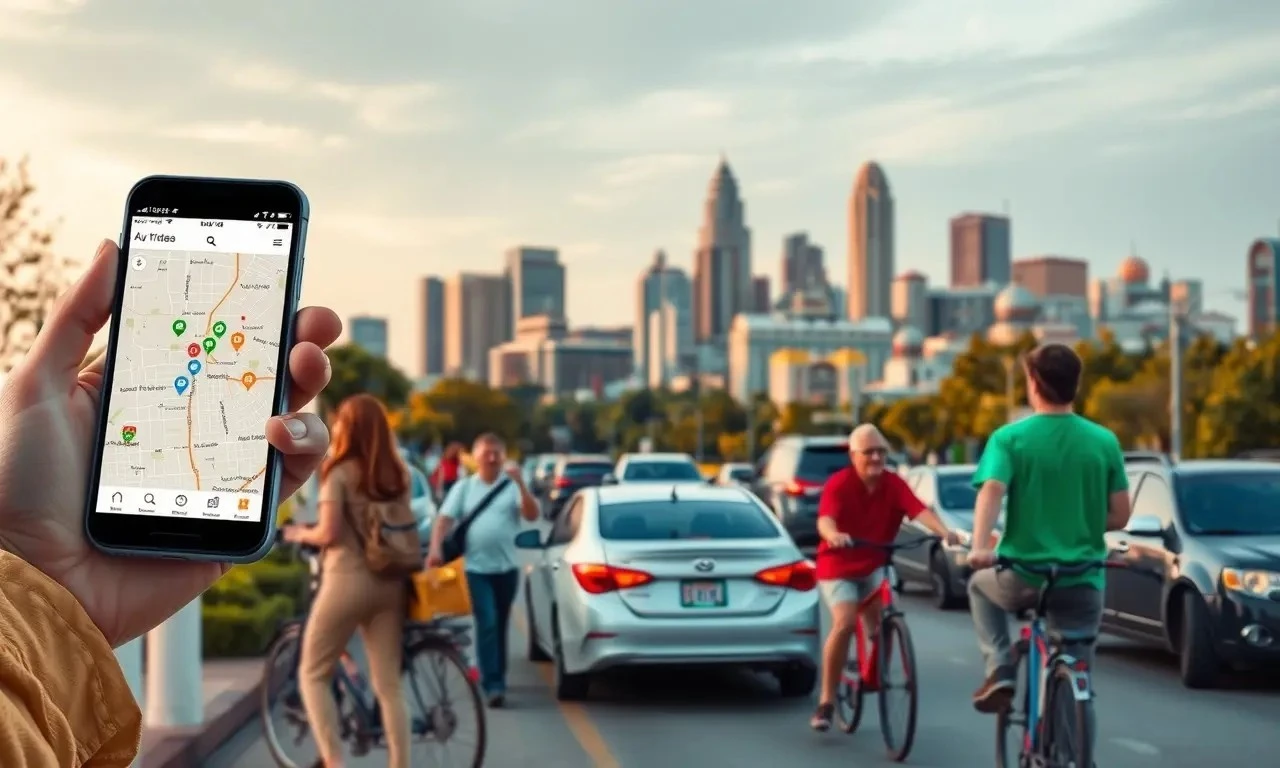
With the advent of smartphones and digital platforms‚ the transportation industry has undergone a significant transformation. This change is most evident with the rise of Transportation Network Companies (TNCs)‚ which have reshaped how people perceive and use urban mobility services. In Texas‚ as in many places worldwide‚ TNCs like Uber and Lyft have become household names‚ offering a convenient alternative to traditional public transport and vehicle-for-hire services.
What is a Transportation Network Company (TNC)?
A Transportation Network Company (TNC) is a business that uses a ride-hailing app to connect passengers with driver partners who provide peer-to-peer rides using their personal vehicles. The concept revolves around a digital platform that facilitates the matching of drivers and riders‚ offering a seamless and efficient passenger service. This model has grown rapidly due to its convenience‚ affordability‚ and accessibility.
The Rise of Ridesharing in Texas
Ridesharing has become an integral part of Texas transportation‚ largely due to the expansive nature of the state and the limitations of existing public transport systems. Lyft and Uber‚ the two giants in the industry‚ have been at the forefront of this mobility revolution. They provide a flexible alternative for commuters‚ reducing the reliance on personal car ownership and traditional taxis.
Key Features of Ridesharing Platforms
- Digital Platform: A robust app-based interface that allows users to book rides with just a few taps on their smartphones.
- Driver Partner Model: Individuals use their personal vehicles to offer rides‚ providing them with the opportunity to earn income flexibly.
- Peer-to-Peer Rides: A model that connects drivers directly with passengers‚ facilitating a community-driven transport system.
- Public Transport Alternative: Offers a viable option for those who prefer not to use public buses or trains‚ especially in areas with limited service.
Regulatory Framework in Texas
As TNCs gained popularity‚ regulatory bodies in Texas recognized the need for a structured framework to govern these services. This includes ensuring that both drivers and passengers have a safe and secure experience. Key regulatory considerations include:
- Insurance Requirements: TNCs must provide insurance coverage that meets state mandates‚ protecting both drivers and passengers in the event of an accident.
- Driver Background Checks: Ensuring that driver partners undergo thorough background checks to maintain safety standards.
- Vehicle Inspections: Regular checks to ensure that vehicles meet safety and operational standards.
- Local Ordinances: Compliance with city-specific regulations that may impact operations‚ such as pick-up and drop-off zones.
Impact on Traditional Vehicle-for-Hire Services
The rise of TNCs has significantly impacted traditional vehicle-for-hire services‚ such as taxis and limousines. While some traditional services have adapted by incorporating similar digital platforms‚ others have struggled to compete with the flexibility and pricing models offered by Uber and Lyft. This shift has prompted a reevaluation of business models within the transportation sector.
Benefits of TNCs in Texas
The impact of TNCs on Texas transportation is multifaceted‚ offering numerous benefits:
- Increased Mobility: Provides a solution for those without access to personal vehicles‚ enhancing mobility across urban and rural areas.
- Economic Opportunities: Offers income opportunities for driver partners‚ contributing to the gig economy.
- Environmental Impact: Potential to reduce the number of vehicles on the road‚ contributing to decreased emissions and congestion.
- Convenience and Reliability: On-demand rides that can be booked at any time‚ offering flexibility and ease for users.
Challenges and Considerations
Despite their popularity‚ TNCs face several challenges:
- Regulatory Compliance: Navigating varying regulations across different cities and states can be complex.
- Insurance Coverage: Ensuring comprehensive insurance policies that protect all parties involved in a ride.
- Market Competition: The competitive landscape requires constant innovation and adaptation.
- Safety Concerns: Maintaining the safety of drivers and passengers is paramount‚ requiring ongoing attention to safety protocols.
Transportation Network Companies have revolutionized the way people move around in Texas‚ offering a modern‚ flexible alternative to traditional transportation options. As the industry continues to evolve‚ TNCs will likely further integrate into the fabric of urban mobility‚ driven by technological advancements and changing consumer preferences. However‚ their success will depend on balancing innovation with regulatory compliance‚ ensuring that they provide safe‚ efficient‚ and inclusive transportation solutions for all Texans.