
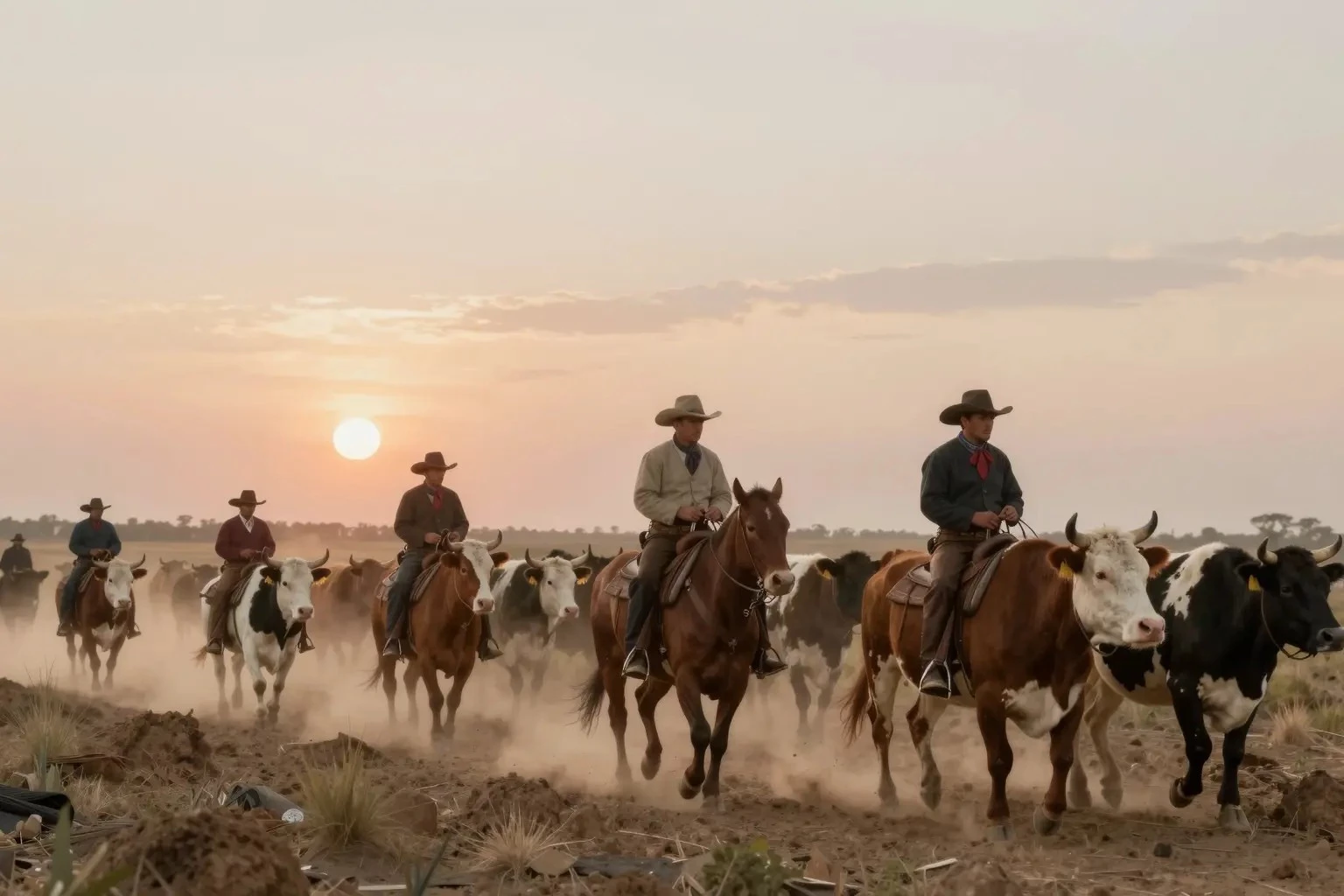
The transportation of cattle from Texas to the eastern United States was a significant aspect of the American beef industry in the 19th century. This article explores the historical context, the methods used in cattle drives, and the impact of railroads and innovations such as barbed wire on this industry.
The Rise of Cattle Drives
During the mid-19th century, Texas emerged as a major center for cattle ranching due to its vast open ranges and favorable grazing conditions. Texas Longhorns, a hardy breed known for their resilience and adaptability, became the primary livestock used in cattle drives.
The demand for beef in the eastern United States grew rapidly, leading to the development of cattle trails to transport livestock to markets where they could be sold. The most famous of these trails was the Chisholm Trail, which stretched from Texas to Kansas.
The Role of Cowboys and Drovers
The success of cattle drives relied heavily on the skills of cowboys and drovers. These individuals were responsible for herding the cattle across long distances, ensuring they reached their destinations safely. Cowboys faced numerous challenges, including harsh weather, river crossings, and the threat of cattle rustlers.
A typical cattle drive involved a trail boss, who oversaw the operation, and a team of cowboys who managed the cattle along the way. The journey could take several months, covering hundreds of miles before reaching the stockyards in Kansas.
Railroads and Transportation
The introduction of railroads revolutionized the transportation of cattle. Railroads provided a faster, more efficient means of moving livestock from the western plains to eastern markets. Once the cattle reached Kansas, they were loaded onto trains and transported to major urban centers where the demand for beef was high.
The expansion of the railroad network reduced the reliance on long cattle drives, as cattle could now be transported directly from ranch to rail. This shift significantly impacted the economics of the beef industry and reduced the risks associated with overland herding.
Stockyards and Market Expansion
Upon reaching the stockyards in Kansas, cattle were sold to buyers from the east. These stockyards, such as those in Kansas City, served as critical hubs for the beef industry, facilitating the movement of livestock to markets.
The establishment of stockyards and the growth of rail infrastructure allowed for the expansion of the beef market, catering to the increasing demand in the eastern United States. This growth contributed to the prosperity of cattle ranchers and the development of towns along the rail lines.
Impact of Barbed Wire and the End of Open Range
The introduction of barbed wire in the late 19th century marked the end of the open range era. Ranchers began fencing their properties, leading to the decline of traditional cattle drives. Barbed wire allowed for more controlled grazing and prevented cattle from roaming freely, changing the landscape of cattle ranching.
This development, coupled with the expansion of railroads, diminished the need for long cattle drives as ranchers could manage their herds more efficiently within enclosed spaces. The era of the open range and cattle trails gradually came to an end, paving the way for modern cattle ranching practices.
The transportation of cattle from Texas to the east was a pivotal chapter in American history, highlighting the ingenuity and resilience of those involved in the cattle industry. From the arduous cattle drives along the Chisholm Trail to the transformative role of railroads and barbed wire, these developments shaped the beef industry and the American West. The legacy of this era continues to influence modern agricultural practices and the cultural heritage of the United States.